Planning a trip to northern Vietnam? This Ha Giang Loop guide will help you get ready for one of the country’s most memorable mountain adventures. Before you head into the mountains, a few things are worth thinking about. Should you ride your own motorbike or go with a local Easy Rider? What should you pack? And how do you stay safe on those narrow mountain roads?
Whether this is your first visit or you’re already mapping out the route, Deep Tour shares the practical tips you need so you can explore the Ha Giang Loop with more confidence and actually enjoy the journey.
Choosing the best way to explore the Ha Giang Loop
One of the first decisions is how you want to travel. Motorbikes are the most popular choice, but they’re not the only option.
You can ride independently, sit behind a local Easy Rider, or explore by private car. Each way feels different, so the best choice depends on your riding experience, comfort level, and how you like to travel.
Self-driving a motorbike
If you’re already an experienced motorbike rider, exploring the Ha Giang Loop on your own can be an unforgettable experience. You decide when to stop, how long to linger at viewpoints, and which small villages to explore. Many travelers rent semi-automatic bikes in Ha Giang because they handle the steep roads reasonably well.
That said, this is not the same as riding around a city or along a quiet coastal road. You’ll face sharp bends, steep climbs, narrow sections, and sometimes rough or slippery surfaces. Some stretches run along high mountain edges with very little protection.
Self-driving is best for confident riders who already have experience in challenging conditions. You’ll also need the correct driving documents and proper travel insurance.
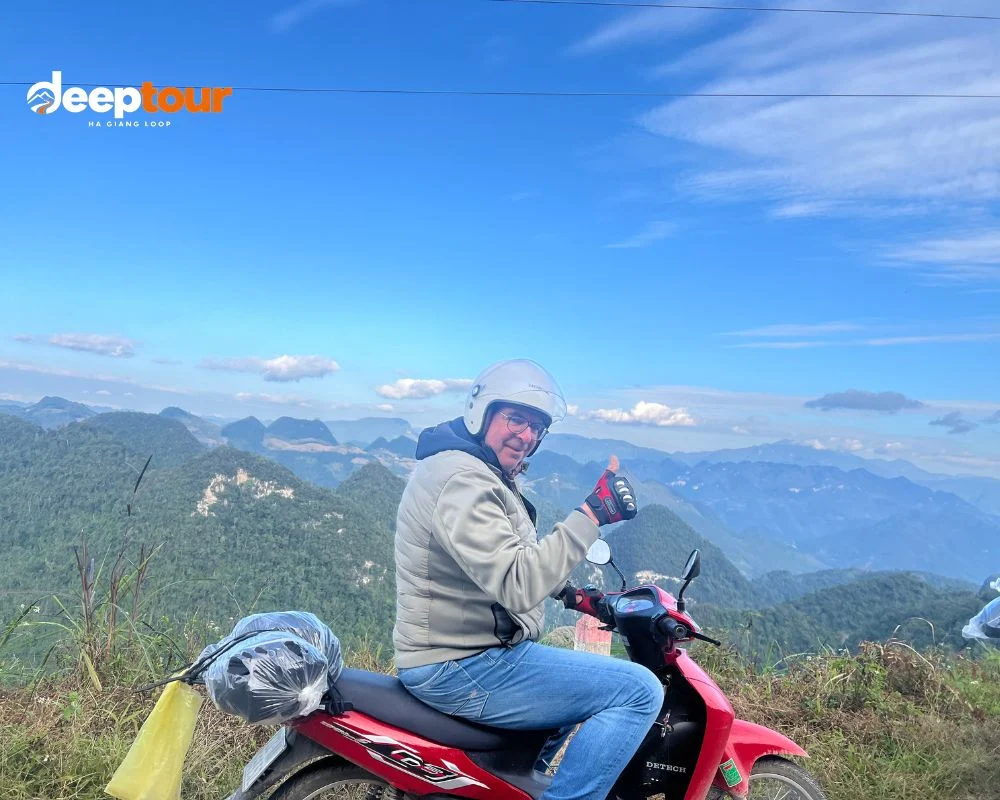
Self-driving the Ha Giang Loop offers flexibility and freedom for experienced motorbike riders
Joining an Easy Rider tour
For people who want the mountain scenery without handling the bike themselves, an Easy Rider tour is a strong alternative. An Easy Rider is a local driver who takes you around the loop while you sit on the back. You still get the fresh air and the feeling of being on two wheels, but someone else deals with the unfamiliar roads.
Local drivers know the area well. They can point out good viewpoints, traditional villages, and interesting stops you might otherwise miss. These tours are especially popular with solo travelers, couples, and first-time visitors to Ha Giang.
Most Easy Rider trips last three or four days, with nights spent in homestays or small guesthouses. You’ll still spend several hours on a motorbike each day, but having someone else drive makes the whole experience more relaxed.
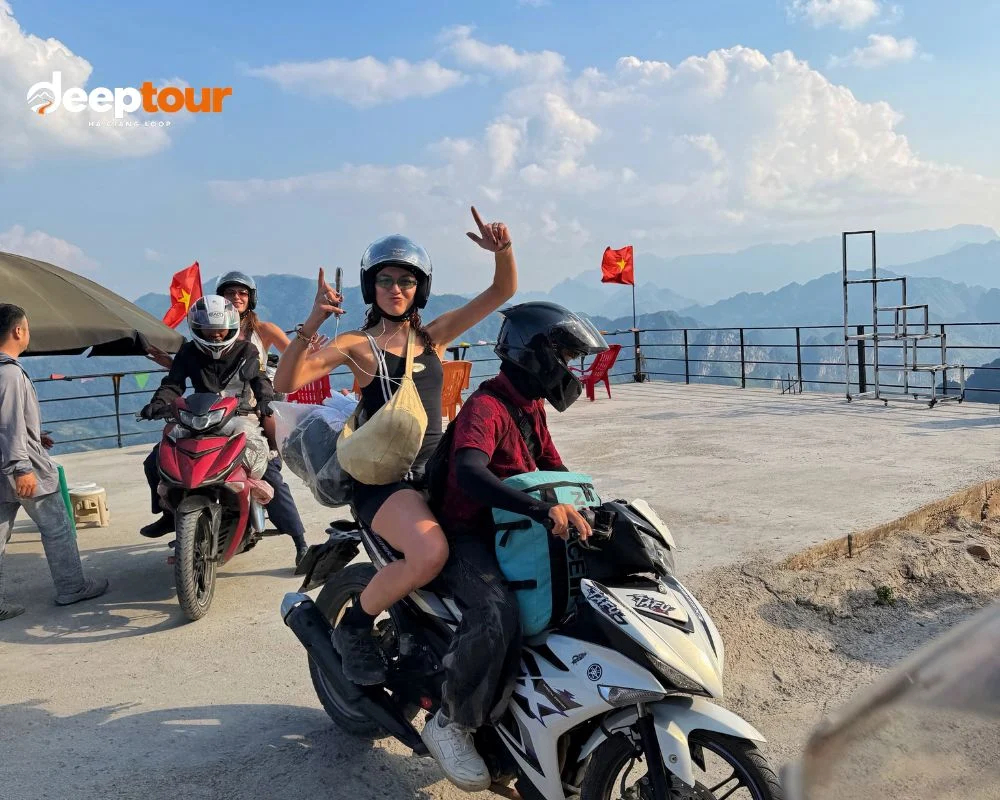
An Easy Rider tour lets travelers experience the Ha Giang Loop with a local driver handling the mountain roads
Exploring the Loop by private car
Not everyone enjoys spending several days on a motorbike and that’s fine. You can also explore much of the Ha Giang Loop by private car with a local driver. This option works well for families, travelers with children or anyone who prefers more comfort.
You’ll still be able to visit the main places: Quan Ba Heaven Gate, Dong Van, Ma Pi Leng Pass and other scenic spots. Traveling by car also gives better protection from rain, cold winds and sudden weather changes.
Instead of the open mountain air, you’ll be looking at the scenery from inside a vehicle. Some narrower village roads may not be accessible by car, so the itinerary can be a little different. Private car tours usually cost more than group motorbike tours, but the extra comfort is often worth it if you’re traveling with family or friends.
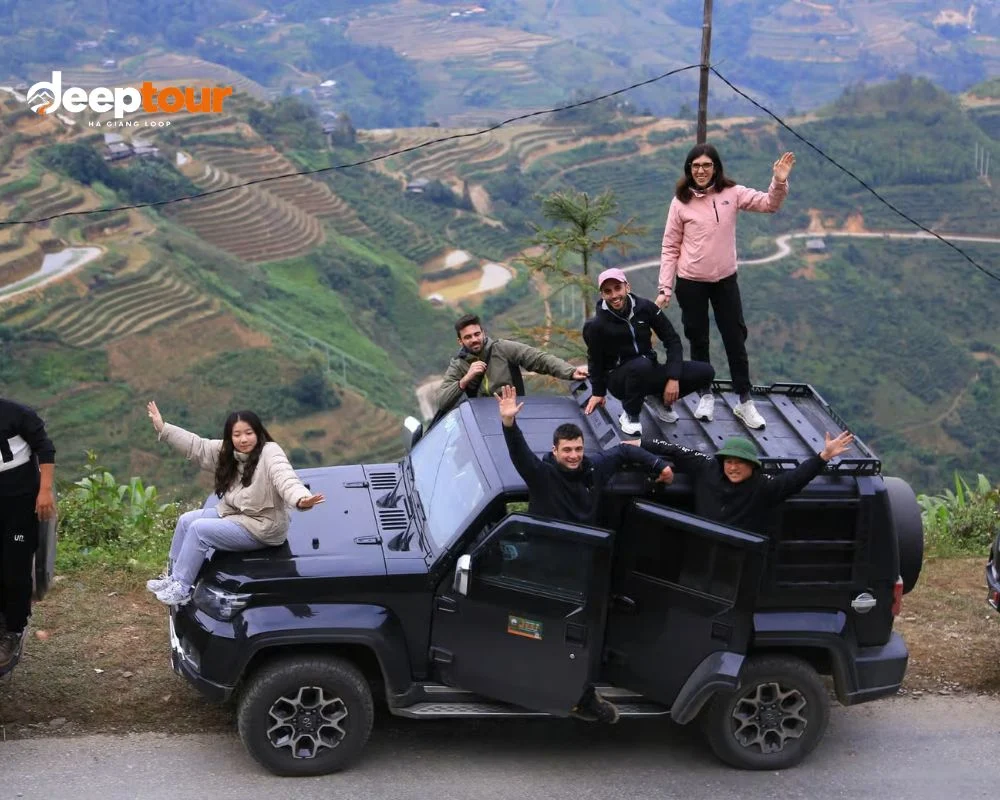
Private car tours provide a comfortable alternative for travelers who prefer exploring Ha Giang without riding a motorbike
What to prepare before starting the Ha Giang Loop
Before you leave, sort out your documents, pack the right clothes and plan a few practical details.
Driving licenses and legal requirements
If you plan to ride yourself, checking the legal requirements should be one of the first things you do. Foreign visitors need a motorcycle licence that Vietnam recognizes. Depending on your nationality, you may also need an International Driving Permit issued under the 1968 Vienna Convention, together with your national licence.
Not every country’s IDP is accepted here, so check the rules that apply to you before renting a bike. Your licence should also cover the engine size of the motorbike you’ll be riding.
Some rental shops may not check documents carefully, but that doesn’t mean you’re legally allowed to ride. Riding without valid papers can lead to fines and may leave you uninsured if something goes wrong.
If you’re going with an Easy Rider, you won’t need a motorcycle licence as a passenger but it’s still worth confirming that your insurance covers traveling on a motorbike.
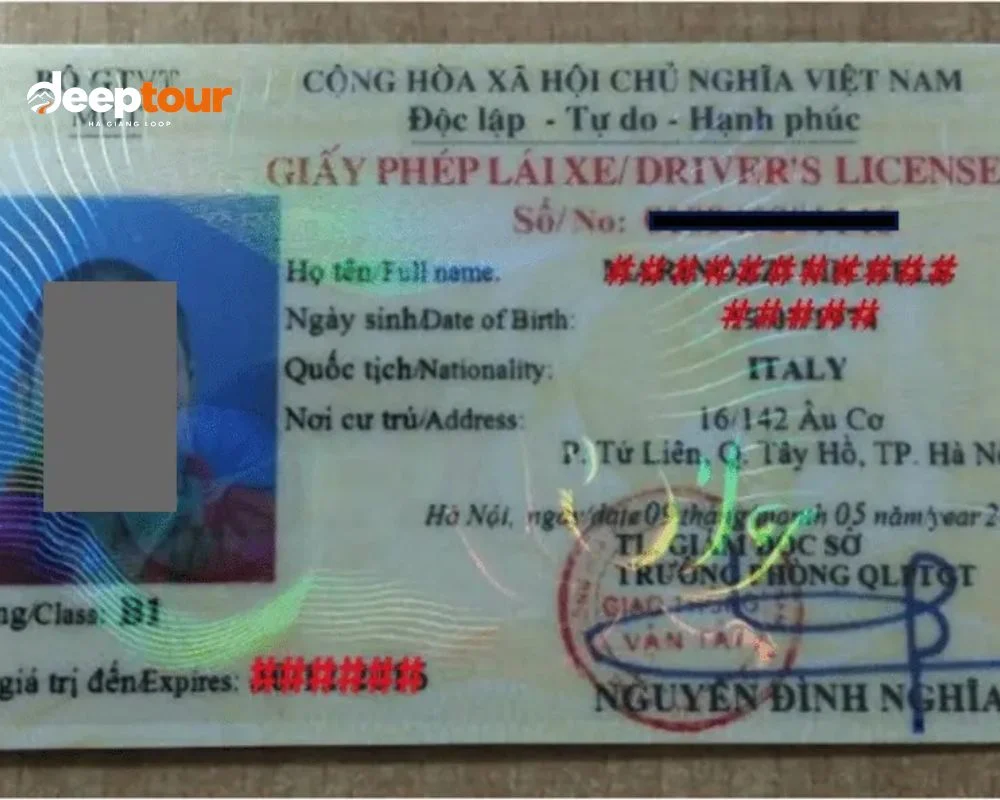
Check motorcycle licensing requirements and insurance coverage before riding independently on the Ha Giang Loop
Essential packing list and motorcycle riding gear
Packing for the Ha Giang Loop is different from packing for a beach holiday. The weather in the mountains can change quickly. Even when Hanoi feels warm, higher passes can be surprisingly cold in the early morning.
You don’t need to bring a lot, but a few things make the trip much more comfortable:
- Warm layers (hoodie, fleece, or light jacket) for cooler mornings and evenings
- Waterproof jacket or raincoat, rain can appear even outside the wet season
- Long trousers for comfort and a bit of protection
- Closed-toe shoes with good grip (avoid sandals)
- Properly fitted helmet, gloves, and protective clothing
- Sunscreen and sunglasses
- Power bank (you’ll use your phone a lot for photos and maps)
- Any personal medication plus basic first-aid items
- Small backpack or waterproof bag for the day
Keep your luggage as light as possible. If you’re joining an organized tour, you can usually leave your larger bag at the company’s base in Ha Giang and just take what you need for the loop.
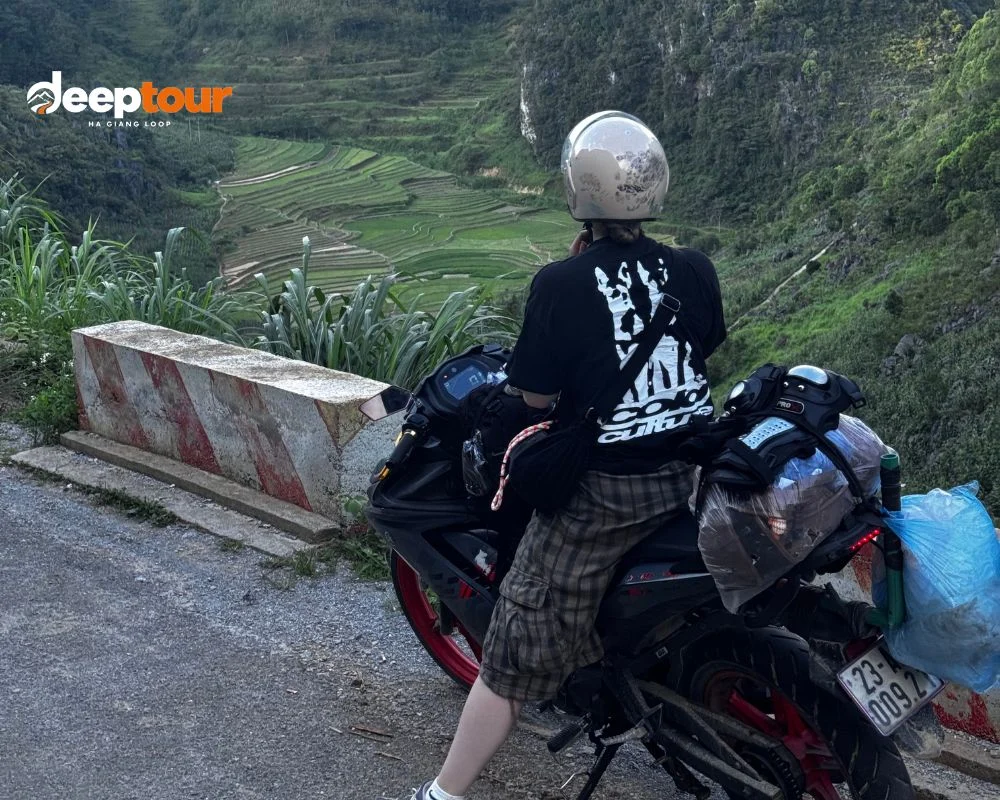
Pack protective riding gear, warm clothing and waterproof essentials for changing weather conditions in Ha Giang
Cash, mobile internet and accommodation planning
Many small villages, food stalls and family-run homestays don’t take cards, so carry enough Vietnamese dong for daily expenses. You don’t need a huge amount if meals and accommodation are included, but smaller notes are useful for coffee, snacks and extras.
Mobile signal is generally okay in towns, but it can get weak or disappear in remote mountain sections. If you’re traveling independently, download offline maps before leaving Ha Giang City. Save important phone numbers and accommodation addresses on your phone too.
Most people stay in homestays or small guesthouses. Common overnight stops include Dong Van, Meo Vac, and Du Gia, though the exact places depend on your route. During busy periods it’s smart to book ahead, especially if you want a private room. On guided tours, accommodation is usually arranged for you, just check what’s included.

Carry cash, download offline maps and plan overnight stays before traveling into Ha Giang’s remote mountain areas
Essential safety tips for the Ha Giang Loop
Understanding mountain roads and riding conditions
Riding and mountain roads The roads around Ha Giang are beautiful, but very different to what many people are used to. Many sections wind tightly around steep mountainsides, with sharp corners, narrow lanes and limited visibility. Ma Pi Leng Pass is a classic example, the views are spectacular, but the road demands full attention, especially around blind bends.
If you’re driving, adjust your speed to the conditions. Don’t try to keep up with faster riders. Take corners slowly, keep a safe distance, and be extra careful when you can’t see what’s coming.
Before you rent a bike check the brakes, tires, lights and overall condition. Plan your days to reach your accommodation before sunset, it’s best to avoid riding unfamiliar mountain roads after dark.

Mountain roads such as Ma Pi Leng Pass require careful riding due to sharp bends, steep slopes and limited visibility
Preparing for unexpected weather changes
Mountain weather can shift fast. You might start under clear skies and run into thick fog or heavy rain a few hours later.
From roughly May to September the mountains look incredibly green, but the roads can also be slippery. Heavy rain raises the risk of falling rocks, landslides and temporary closures.
Fog is another common challenge on higher passes. When visibility drops, slow down or find a safe place to stop. Never feel you have to push through dangerous weather just to stay on schedule. Even in drier months, temperatures can drop quickly in the early morning and evening, so warm and waterproof layers are always useful.
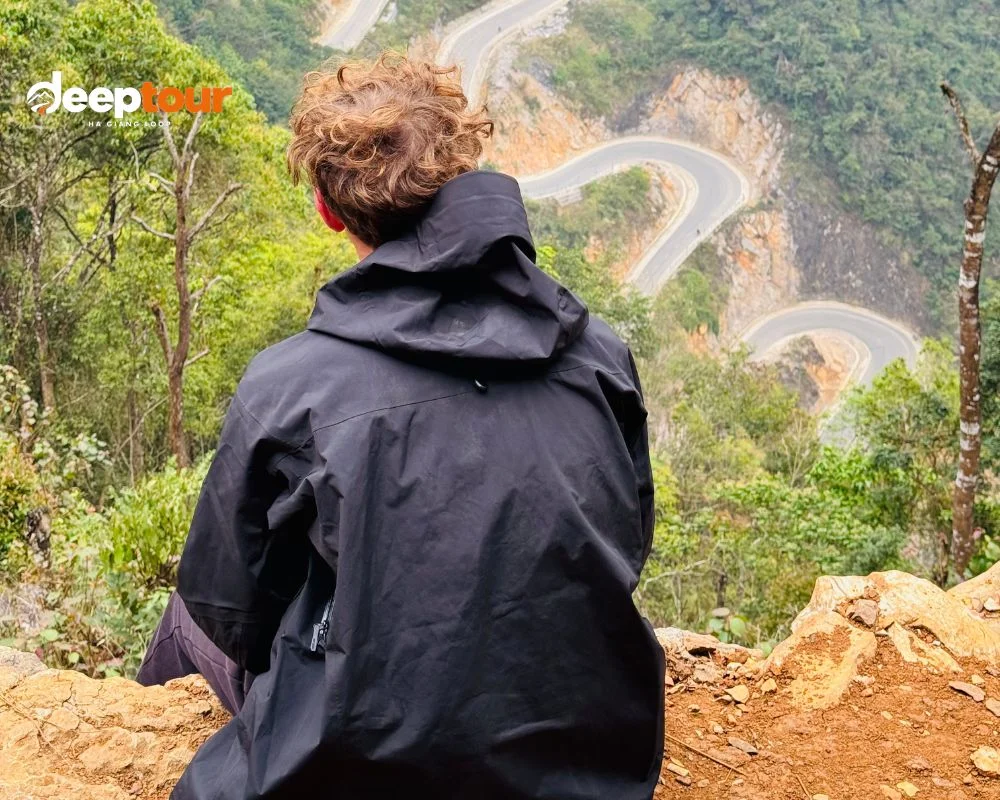
Fog, rain and changing mountain temperatures can affect visibility and road conditions along the Ha Giang Loop
Staying safe during your journey
Always wear a proper helmet whether you’re driving or sitting behind an Easy Rider. Take regular breaks on long days.
Keep your phone charged, carry water, and don’t rely only on mobile data for navigation. If you’re traveling independently, let someone know your planned route and overnight stops.
Respect local traffic rules and never ride after drinking. If you join a guided tour, choose a company with experienced drivers, well-maintained bikes, and proper safety gear. Ask about these things before booking.
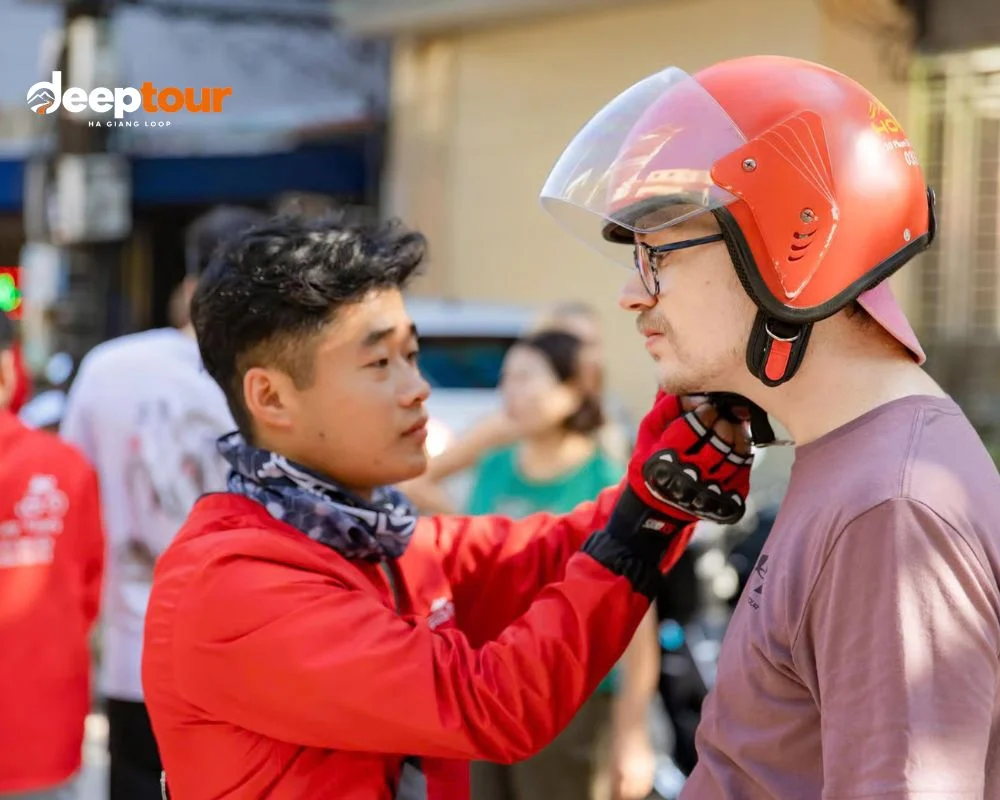
Wearing proper safety gear and taking regular breaks are essential precautions when exploring the Ha Giang Loop
FAQs about the Ha Giang Loop
Can beginners do the Ha Giang Loop?
Yes, but beginners shouldn’t drive it themselves. If you’ve never ridden a motorbike, join an Easy Rider tour or take a private car. Both options let you experience the mountains without having to handle difficult roads.
Is it better to explore the Ha Giang Loop with a guide?
For many people, yes. An experienced local guide can help you navigate, spot the good stops and introduce you to the people and places you pass on your way. They know the roads and can change plans if the weather or conditions change.
Can you travel the Ha Giang Loop without riding a motorbike?
Absolutely. An Easy Rider tour lets you sit behind a local experienced driver and still get the open-air motorbike experience. If you’d rather steer clear of motorbikes altogether, a private car is a good alternative especially for families, older travelers or anyone who wants a bit more comfort.
Hopefully, this Ha Giang Loop guide has given you a better understanding of what to expect and how to prepare for your trip. At Deep Tour, we believe the best part of exploring Ha Giang is enjoying the journey, discovering local life, and traveling at your own pace. Take your time, stay safe, and make the most of everything this beautiful region of northern Vietnam has to offer.