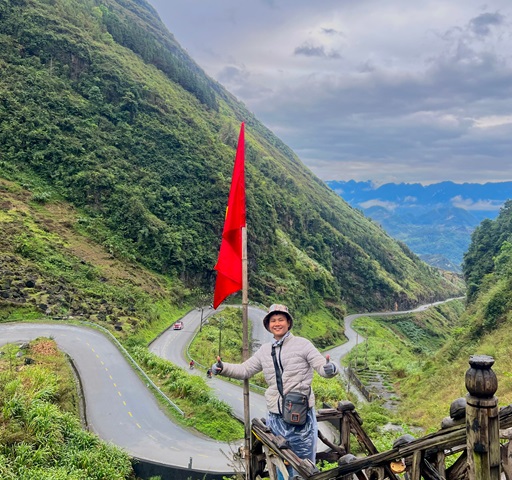
Ha Giang is one of those places that stays with you long after the trip ends. Limestone mountains rise sharply on both sides of the road, villages cling to the slopes, and the pace of life feels slower than almost anywhere else in Vietnam. The places to visit in Ha Giang mix dramatic scenery with quiet cultural moments: mountain passes, turquoise rivers, old markets and a few spots that still feel properly remote.
With so many options, it’s easy to feel overwhelmed on a first visit. Some places are all about the view, others about history or everyday mountain life. Below are 12 places in Ha Giang that DeepTour recommends exploring, along with a few practical tips to help you plan your trip.
Ma Pi Leng Pass – Spectacular mountain views
Few stretches of road in Vietnam leave the same impression as Ma Pi Leng. The pass sits between Dong Van and Meo Vac, high above the Nho Que River and the views keep changing with almost every bend.
On clear days the limestone peaks stretch out in layers. When the clouds sit low, mist fills the valleys and the whole scene turns softer. The road itself is part of the old Happiness Road, built through extremely difficult terrain decades ago.
This is easily one of the most memorable Ha Giang scenic spots. Early morning and late afternoon usually give the best light. Fog can appear quickly, so leave a little buffer in your schedule.
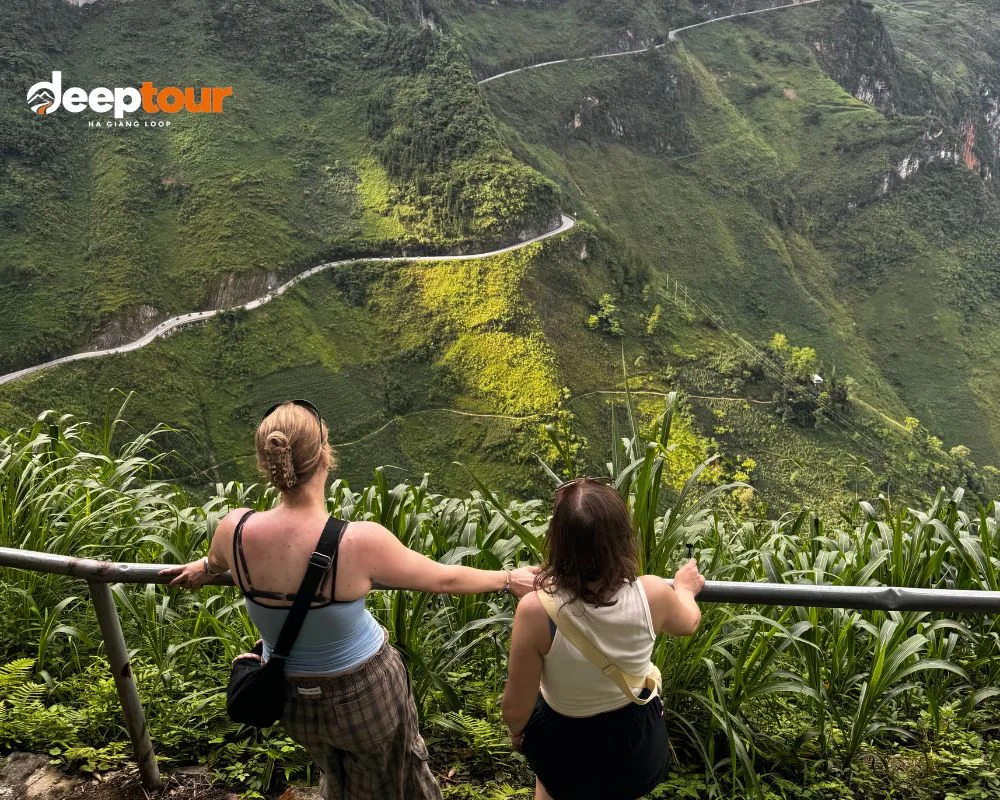
Ma Pi Leng Pass offers breathtaking mountain views along the scenic road connecting Dong Van and Meo Vac.
Nho Que River and Tu San Canyon
Far below Ma Pi Leng, the Nho Que River cuts a turquoise path between steep limestone walls. From the road it looks like a thin ribbon, from the water it feels completely different.A short boat trip through Tu San Canyon lets you look up at the cliffs instead of down at them. The scale is impressive, and the silence on the river is a nice break after hours on the bike.
Boats usually leave from docks reached by steep side roads. Service depends on water levels and weather, so it’s worth checking on the day. Wear the life jacket and listen to the crew. Seeing the canyon from both above and below is one of the better combinations among the scenic attractions of Ha Giang.
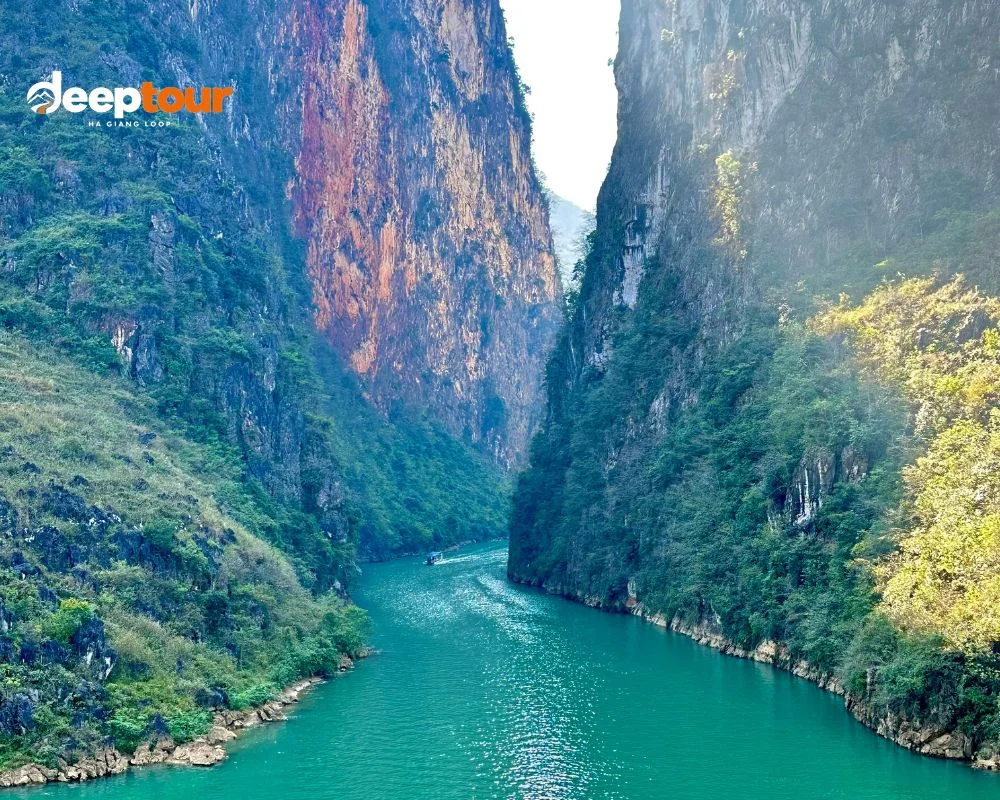
A boat trip on the Nho Que River offers spectacular views of the towering limestone cliffs of Tu San Canyon
Dong Van Karst Plateau Geopark
Much of the northern loop runs through the Dong Van Karst Plateau, a UNESCO Global Geopark since 2010. The landscape here is all sharp limestone, rocky hillsides and small patches of cultivated land squeezed between the stones.
It isn’t a single park you enter and leave, it’s a whole region of villages, passes and living communities. H’Mong, Dao, and Lo Lo families still farm and build among the rocks and that everyday life is as interesting as the geology.
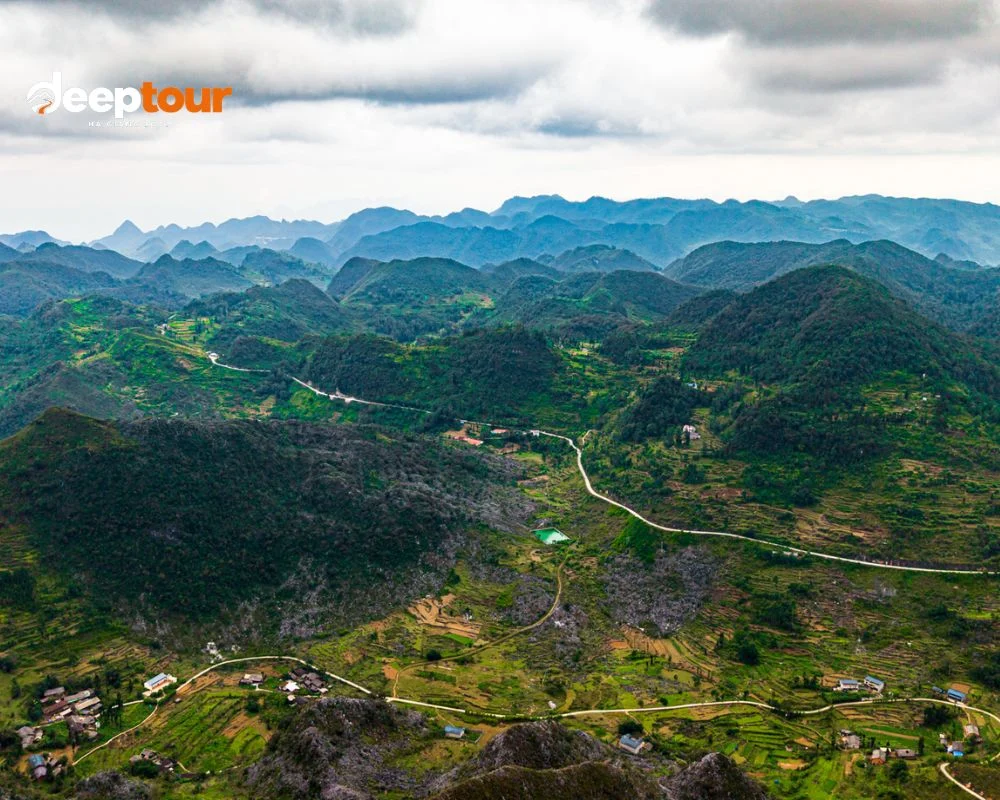
Dong Van Karst Plateau is a UNESCO Global Geopark known for its remarkable limestone landscapes and traditional mountain villages
Quan Ba Heaven’s Gate and Twin Mountains
Coming north from Ha Giang City, Quan Ba Heaven’s Gate is often the first big viewpoint of the trip. From the top you look across the valley toward Tam Son and the two rounded green hills that everyone calls the Twin Mountains (or Fairy Bosom Mountains).
They stand out because they’re soft and rounded against the sharper peaks around them. On clear days the valley looks open and bright; under mist the whole scene turns quieter and more mysterious.
It’s a popular Ha Giang check-in spot, and for good reason. If the view is fogged in when you arrive, wait a few minutes, conditions can change fast.
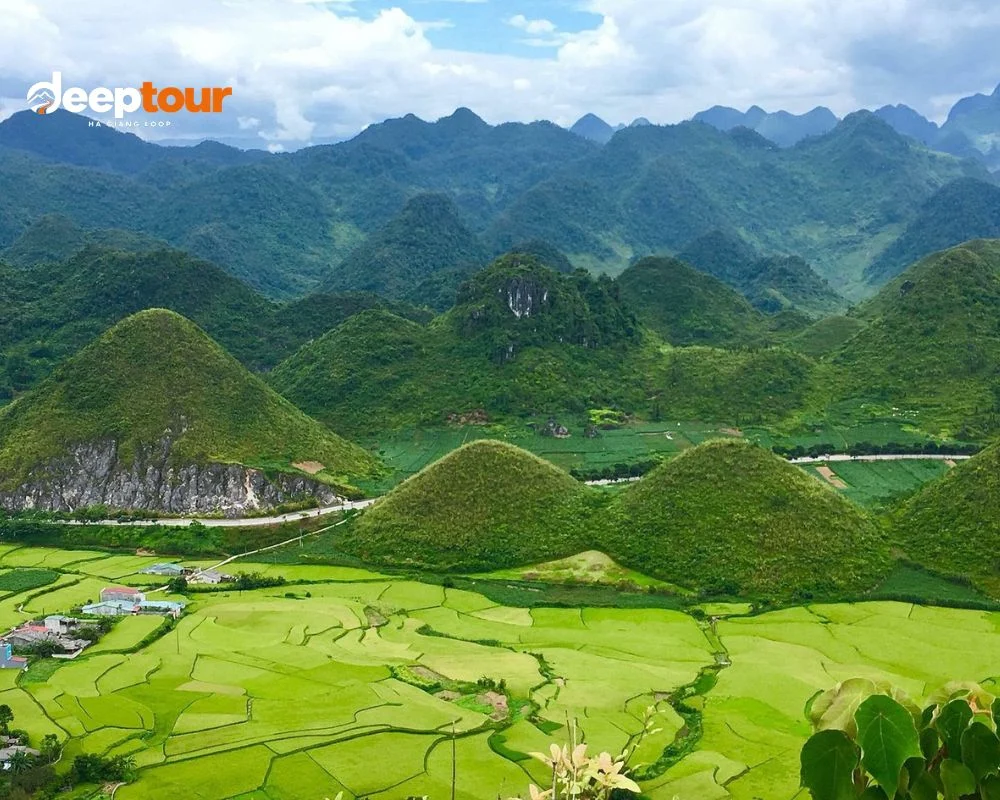
Quan Ba Heaven’s Gate offers panoramic views of the famous Twin Mountains and the surrounding Tam Son Valley
Tham Ma Pass – Scenic mountain road
Before you reach Dong Van, the road tightens into a series of tight curves known as Tham Ma Pass. From the right viewpoint you can see the asphalt snaking across the mountainside in clean, repeating bends.
It’s one of those classic road scenes that look almost designed for photos. The surrounding hills are green in the warmer months and softer in color when the weather cools.
Like most of the good Ha Giang scenic attractions, the key is stopping only where it’s safe. Traffic moves through regularly, so never stand in the road for a shot.
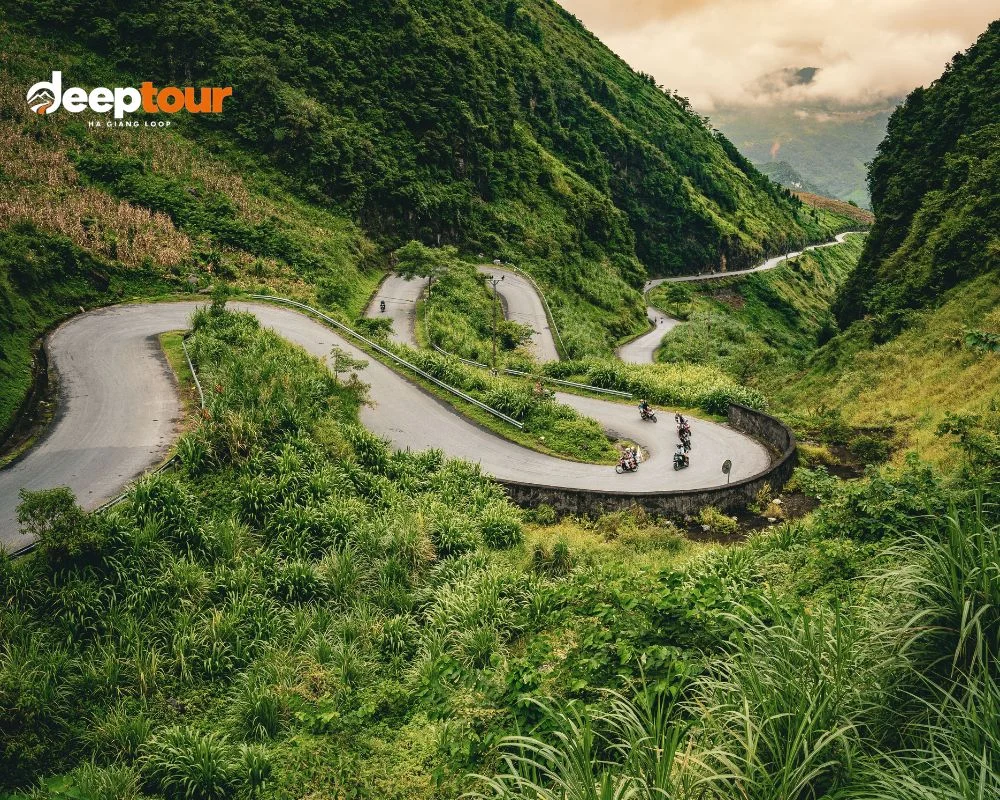
Tham Ma Pass is one of Ha Giang’s most photogenic mountain roads, featuring a series of dramatic hairpin turns.
Ma Pi Leng Skywalk
Near the highest part of Ma Pi Leng, a few short walking paths offer different angles over the canyon and the river far below. These routes became popular for more adventurous photos, especially around the exposed rocky outcrops.
Important note for 2026: The famous ledge known as Death Rock (Mỏm Đá Tử Thần) is currently closed. Authorities put up a two-metre metal fence and warning signs in mid-October after cracks appeared in the rock. The restriction has been in place since 1 July 2026 and will stay until further notice (Do not try to enter the closed area).
Ma Pi Leng Pass itself is still open and the main roadside viewpoints remain accessible. Stick to the permitted paths, wear proper shoes, and avoid exposed sections in rain, fog or strong wind.
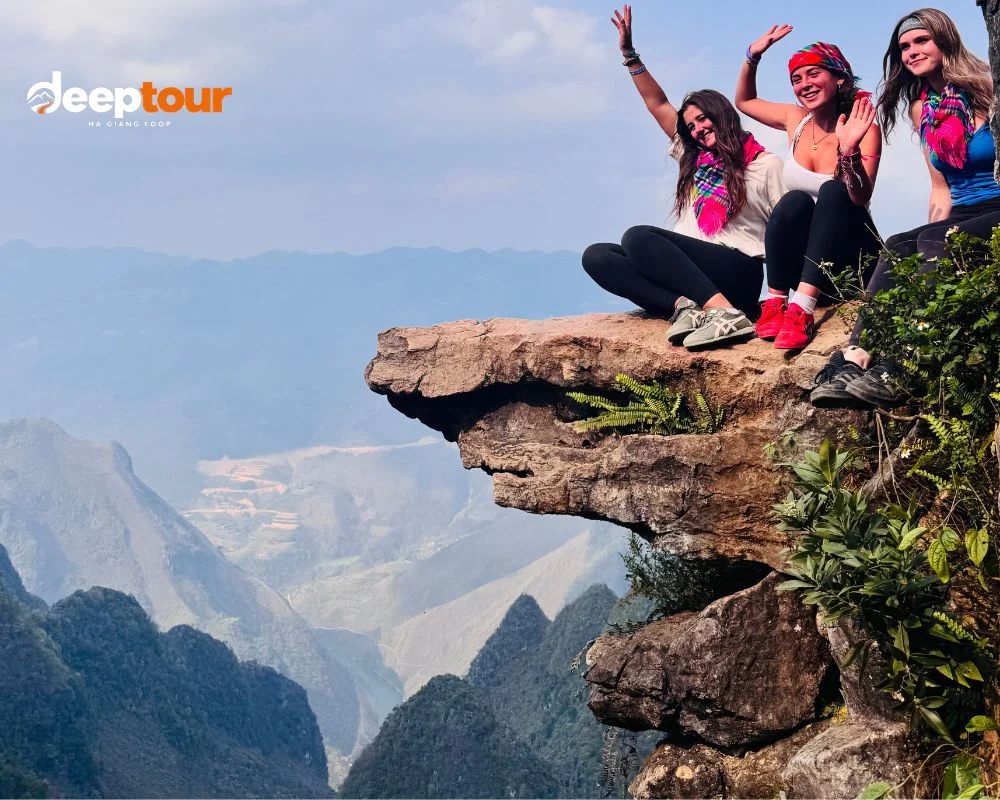
Designated viewpoints near Ma Pi Leng offer dramatic views across the surrounding mountains and deep canyon
Du Gia Waterfall
After the high passes, Du Gia feels like a different world. The waterfall sits in a green valley near the village, surrounded by trees, rice fields, and quiet hills.
It’s a good place to slow down. When the water is calm and local guides say it’s safe, some people rest by the pools or take a short swim. In the rainy months the flow is stronger and the rocks get slippery, so caution is needed.
The village itself is part of the draw, traditional houses, open fields, and a slower pace. For travelers looking for quieter places to visit in Ha Giang, Du Gia is often a highlight.
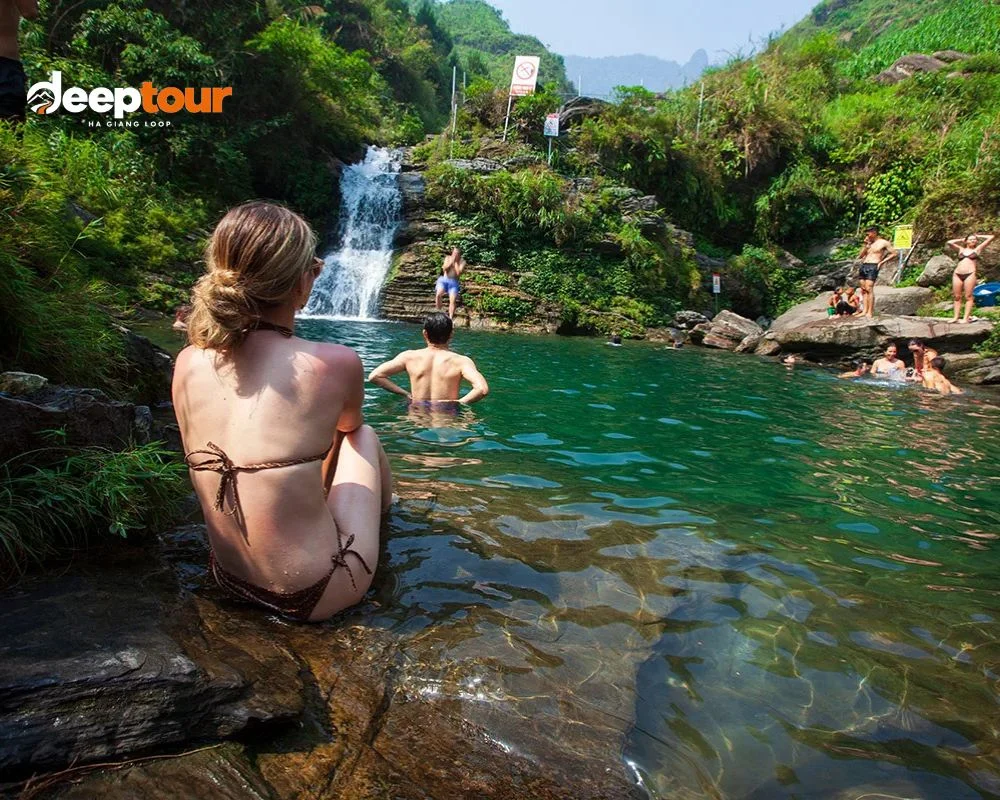
Du Gia Waterfall is a peaceful natural attraction surrounded by lush greenery and mountain scenery.
Lung Khuy Cave
A small detour in the Quan Ba area brings you to Lung Khuy Cave. Inside, the limestone formations are impressive, stalactites hanging from the ceiling, stalagmites rising from the floor, lighting that highlights the textures.
Reaching the entrance involves a short uphill walk from the main road. Shoes with good grip help, especially if the path is damp.
It’s rarely crowded, which makes it a pleasant contrast to the open viewpoints. Many people combine it with Heaven’s Gate and the Twin Mountains on the same day.
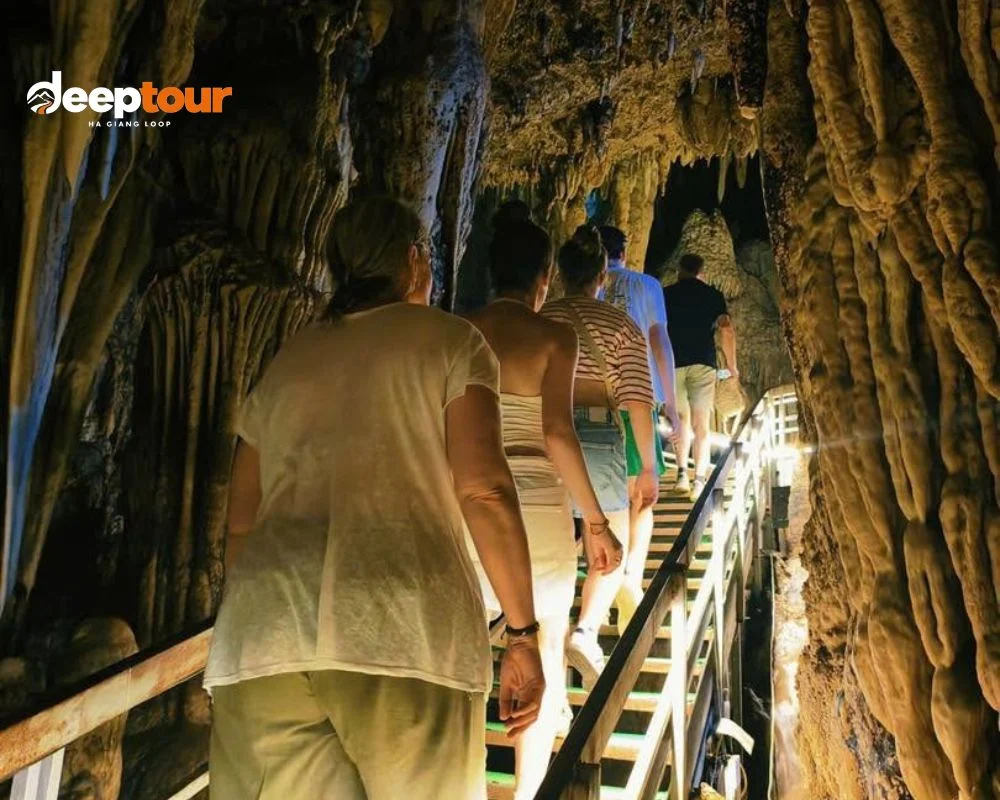
Lung Khuy Cave features impressive limestone formations and illuminated chambers beneath the mountains of Quan Ba
Lung Cu Flag Tower
At the northern edge of the plateau, Lung Cu Flag Tower stands on Dragon Mountain near the Chinese border. The large Vietnamese flag flying above it measures 54 square meters and represents the country’s 54 ethnic groups.
The climb up the stone steps is steady but manageable for most people. From the top the view stretches across mountains, valleys, and small villages scattered among the rocks. Nearby Lo Lo Chai Village is worth a short stop if you have time, the traditional houses are distinctive.
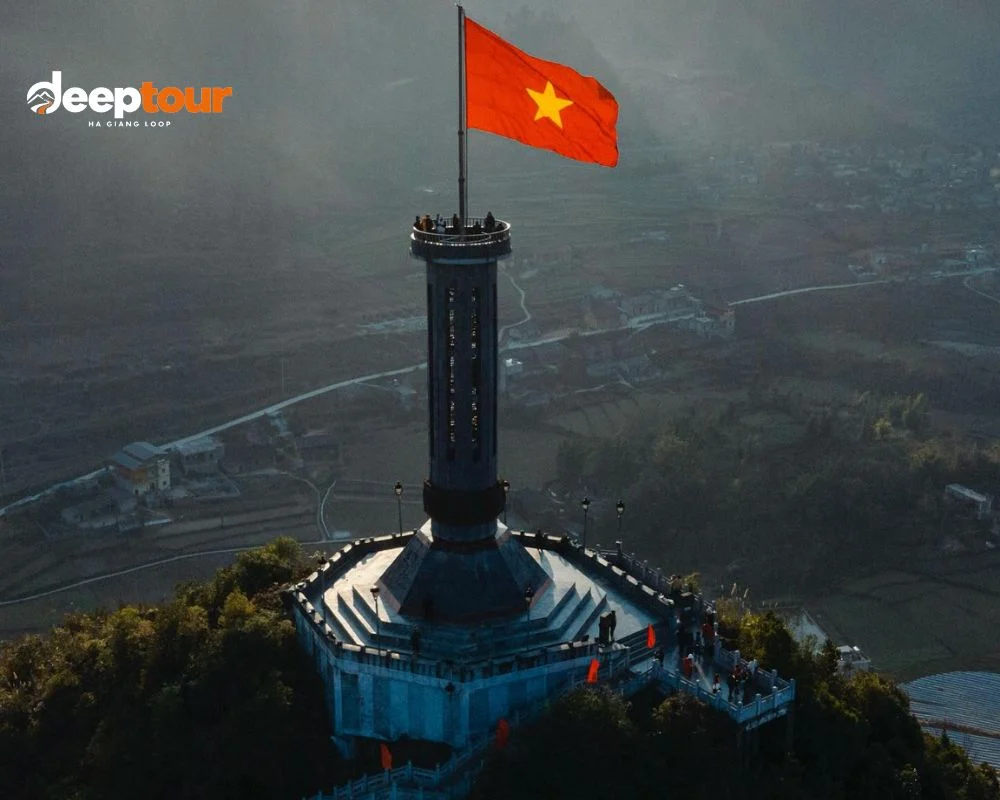
Lung Cu Flag Tower stands near Vietnam’s northern border, offering panoramic views of the surrounding mountains and villages
Vuong Family Mansion
The Voong Family Mansion (or the H’Mong King’s Palace) in the Sa Phin Valley offers a rare look at the human history of the region.It was once the home of Vuong Chinh Duc, an influential H’Mong leader, and the architecture mixes local, Chinese and French elements.
Stone walls, wooden beams, traditional roof tiles and detailed carvings still give a sense of the family’s former status. Walking through the courtyards and rooms feels very different from standing at a mountain viewpoint.
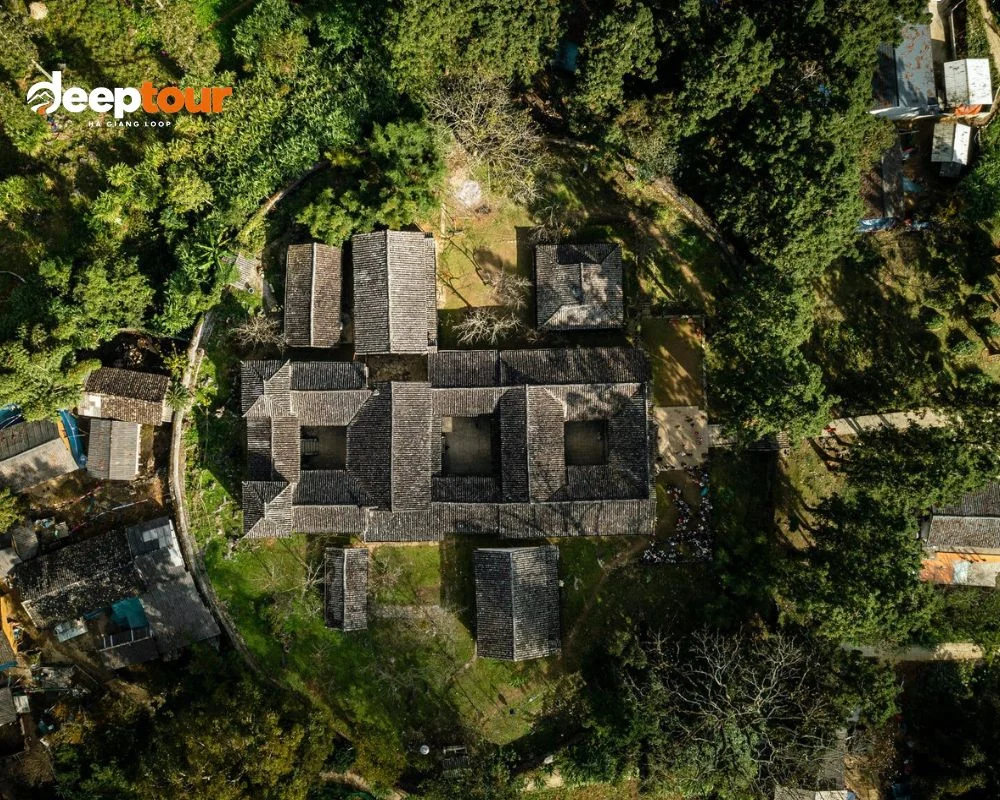
Vuong Family Mansion, also known as the H’Mong King’s Palace, preserves the distinctive architecture and history of the region
Dong Van Old Quarter
In the middle of Dong Van, the old quarter is a small grid of traditional buildings, narrow streets, and a calmer atmosphere than the rest of the town. Many of the houses have weathered walls and tiled roofs that show their age.
It’s easy to explore on foot. A café stop, a slow walk, and a bit of people-watching are usually enough. In the evening the area becomes a pleasant place to unwind after a long day on the road.
Dong Van itself is a practical overnight base if you’re heading to Ma Pi Leng, Lung Cu or the nearby cultural sites the next day.
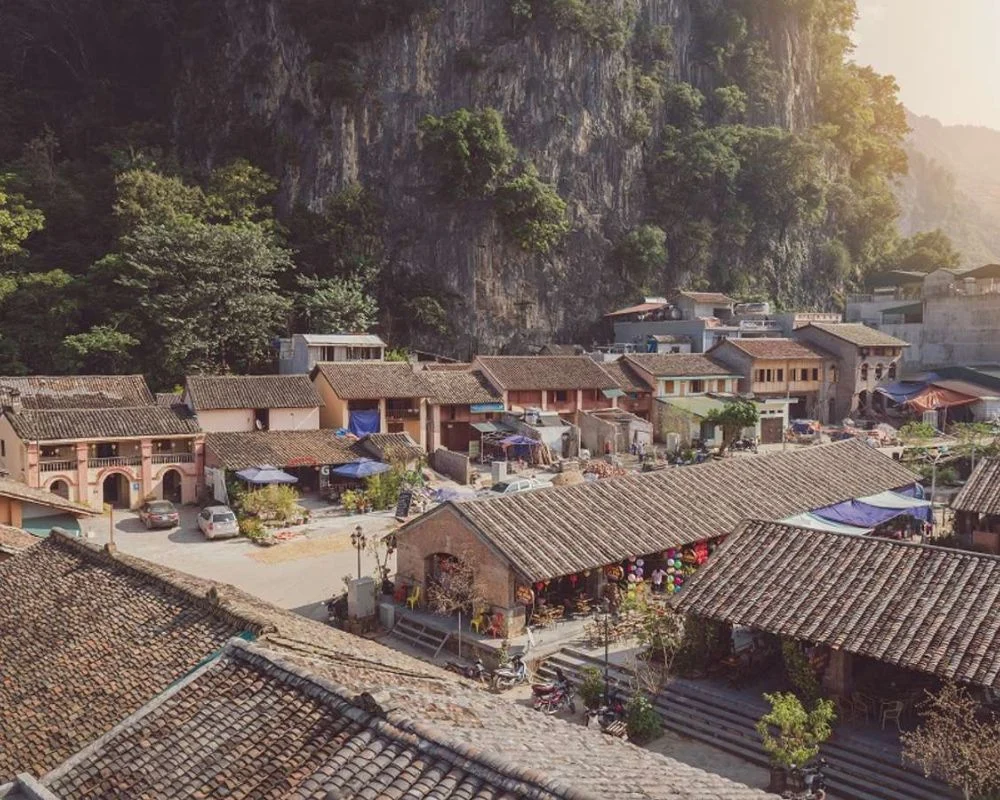
Dong Van Old Quarter is known for its traditional architecture, historic streets and peaceful mountain-town atmosphere
Dong Van Sunday Market
On Sunday mornings the energy in Dong Van changes completely. People from surrounding villages come in to trade, meet, and socialize. The market is filled with traditional clothing, fresh produce, local food and everyday household goods.
It’s one of the most genuine cultural moments among the Ha Giang sightseeing spots. Walk the stalls, try some local food and keep in mind that this is still primarily a market for local people. Be respectful, don’t block the way and ask before taking close-up photos of anyone.
Staying in Dong Van on Saturday night makes it easy to catch the market without rushing.
The beautiful scenery in Ha Giang sits alongside quiet villages, historical sites and everyday mountain life. You don’t need to tick off every stop. Pick the ones that appeal to you most and leave a little space for unexpected pauses, those are often the moments that stay with you longest. We hope this list of places to visit in Ha Giang helps you shape a route that feels right for you.
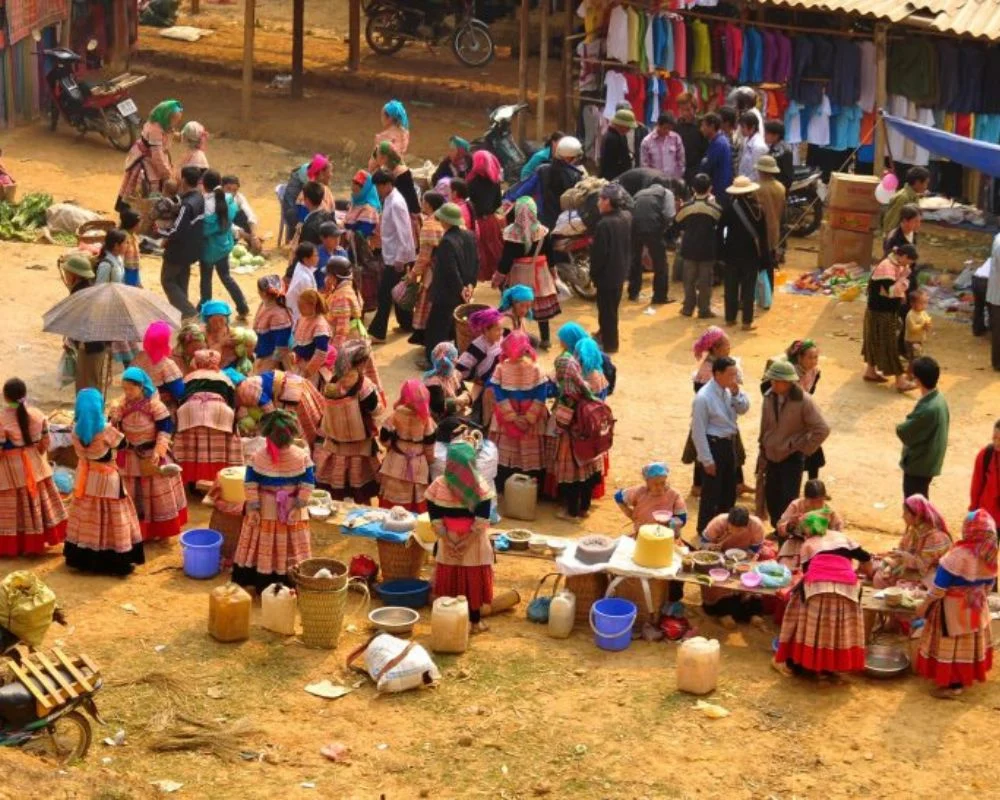
Dong Van Sunday Market brings local communities together to trade traditional goods, fresh produce and regional specialties