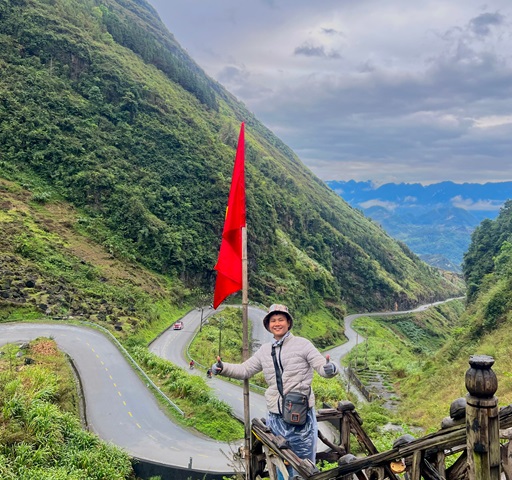

When most people hear “Ha Giang,” the Loop is the first thing that comes to mind, winding roads, limestone peaks, and those big mountain views. But the region has a lot more to offer once you step off the main motorbike route.
Trekking through rice terraces, staying in a traditional village, tasting local food or simply walking through the countryside can all show you a different side of the region. Whether you have a few extra days before or after the Loop, or you’d rather skip long hours on the bike altogether, DeepTour shares eight experiences worth considering.
Go trekking through Hoang Su Phi’s rice terraces
One of the most rewarding alternatives to the Loop is walking through the rice terraces of Hoang Su Phi.
This area sits in the western highlands and feels completely different from the rocky limestone scenery around Dong Van and Meo Vac. Here the mountains are softer, the valleys greener, and the terraces cascade down the slopes in layers that local families have farmed for generations.
Walking the trails lets you move at a slower pace. Paths connect villages, cross hillsides, and pass fields where people are still working the land. In spring and early summer some terraces fill with water and reflect the sky. As the rice grows the fields turn deeper green, then golden around September and early October in many places.
Routes range from short village walks to longer days in more remote areas. Some paths get steep or muddy after rain. If you don’t know the area well, going with a local guide is the safer and more interesting choice, they can choose suitable routes and share a bit about the communities living among the terraces.
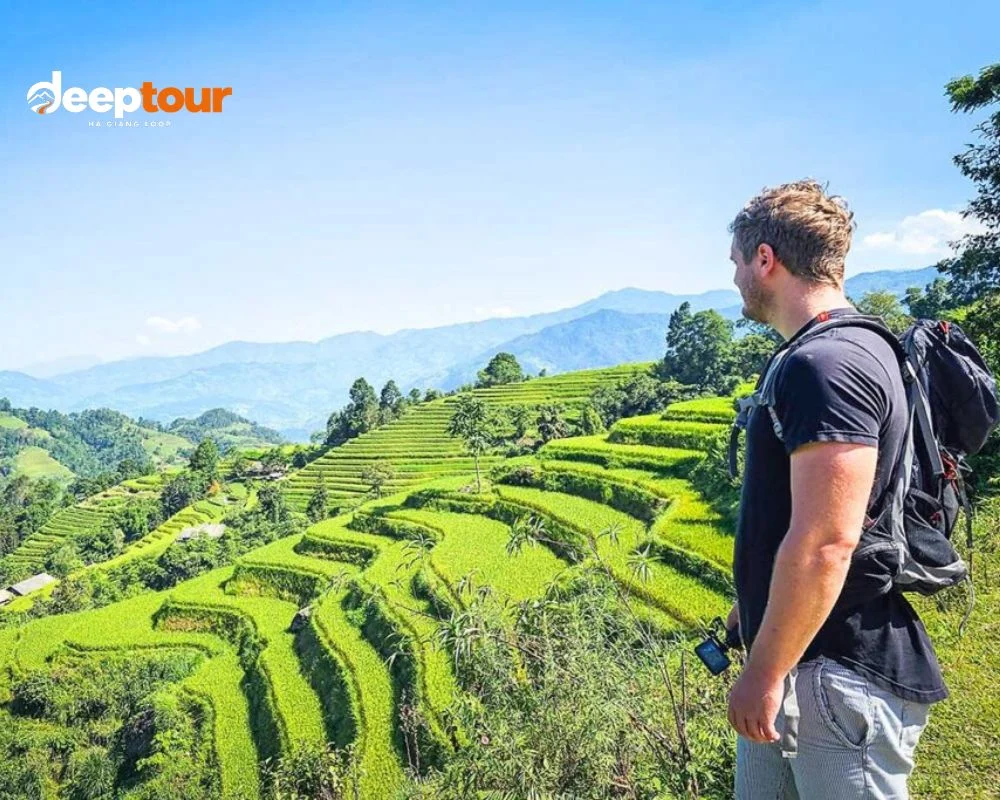
Some of Ha Giang’s best views are found on foot, where every turn reveals another layer of rice terraces
Experience local life in traditional ethnic villages
Ha Giang is home to many different ethnic communities: Tay, Dao, H’Mong, Lo Lo and others, each with their own houses, clothing and customs.
Families might be working in their gardens, preparing food, weaving or just going about the day. The architecture is also part of the story: Tay stilt houses on wooden stilts, H’Mong houses built out of rammed earth and other local styles created from the materials available.
These villages are real homes, not tourist sets. Move quietly, ask before taking photos of people, and stay off the cultivated fields unless someone invites you in. It is usually easier and more respectful to arrange the visit through a local host or guide.
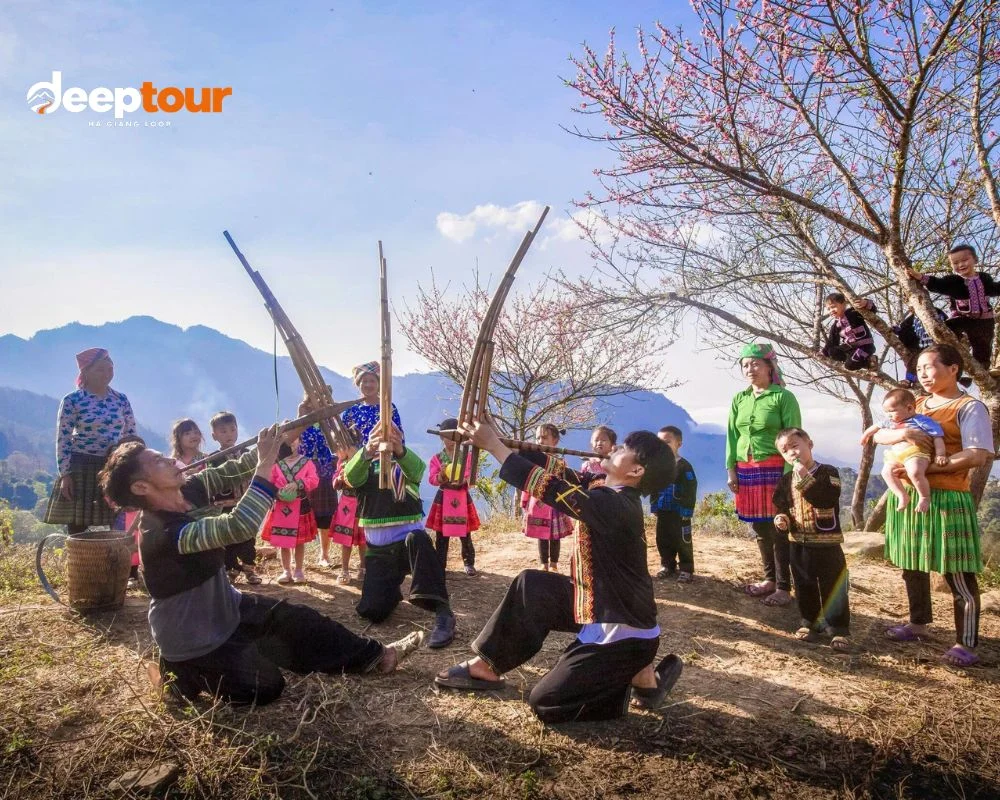
Life moves to a different rhythm here, shaped by the fields, family traditions and everyday routines
Stay at a traditional homestay in Thon Tha village
It’s a traditional Tay village only a short distance from the city, known for its wooden stilt houses, rice fields, and calm countryside feel. The landscape here is gentle compared with the steep passes of the Loop, green fields, gardens, narrow paths and houses surrounded by trees.
Many families offer simple homestay rooms, some are shared, some private and the facilities vary, but the real draw is the setting and the chance to eat a home-cooked meal with local ingredients. Evenings are quiet. Days can be spent walking around the village, sitting outside or just taking a break from the road.
Thon Tha works especially well if you have a night free before starting the Loop or need somewhere peaceful to recover afterward.
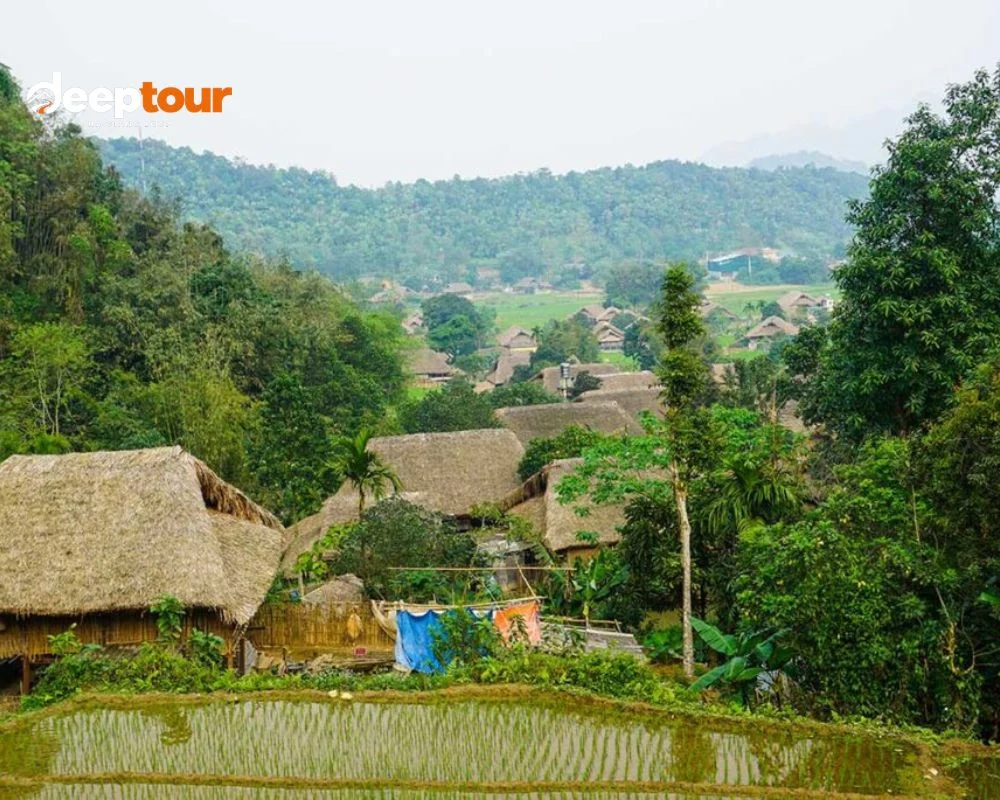
A night in Thon Tha is less about ticking off sights and more about enjoying the simple pleasures of village life
Discover local markets and traditional handicrafts
Markets still play a central role in mountain life here. Walking through one is a good way to see everyday life beyond the tourist route. Depending on the day and location you might find fresh produce, spices, household goods, traditional clothing, and handmade textiles. The embroidered and woven pieces often show the distinct patterns of different ethnic groups.
If you’re interested in handicrafts, some villages and workshops still practice weaving and embroidery. Tay communities around Thon Tha, for example, have a long textile tradition. When you do buy something, look for pieces that are actually made locally and pay a fair price for the work.
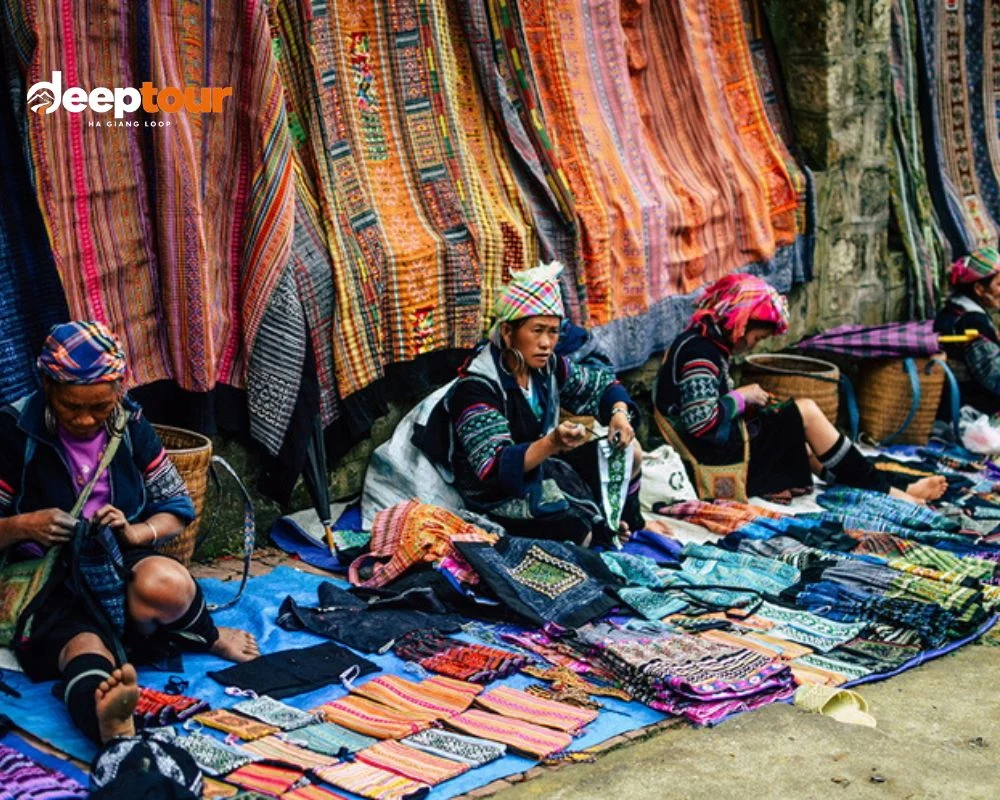
From handwoven fabrics to everyday essentials, local markets offer a glimpse into the region’s living traditions
Taste authentic Ha Giang cuisine
Food is one of the easiest ways to get a feel for the region. The cooking here reflects the mountains, the crops, and the mix of ethnic traditions.
Thang den – small glutinous rice balls in warm ginger syrup is comforting on cooler days. Five-color sticky rice (xôi ngũ sắc) gets its colors from natural plants and often appears at celebrations. You may also come across buckwheat cakes, smoked buffalo meat, and local sausages.
Thang co is a traditional H’Mong dish you’ll sometimes find at highland markets. It is slowly cooked with spices and, in its classic form, includes horse meat and offal, though some places now use other meats. Another regional specialty is cháo ấu tẩu, a porridge with a slightly bitter taste. Because the ấu tẩu tuber is toxic if not prepared correctly, only eat it at places that know what they’re doing.
Home-cooked meals at a homestay are often the most enjoyable way to try local food. If you have allergies or dietary needs, let your hosts know ahead of time, options can be limited in smaller villages.
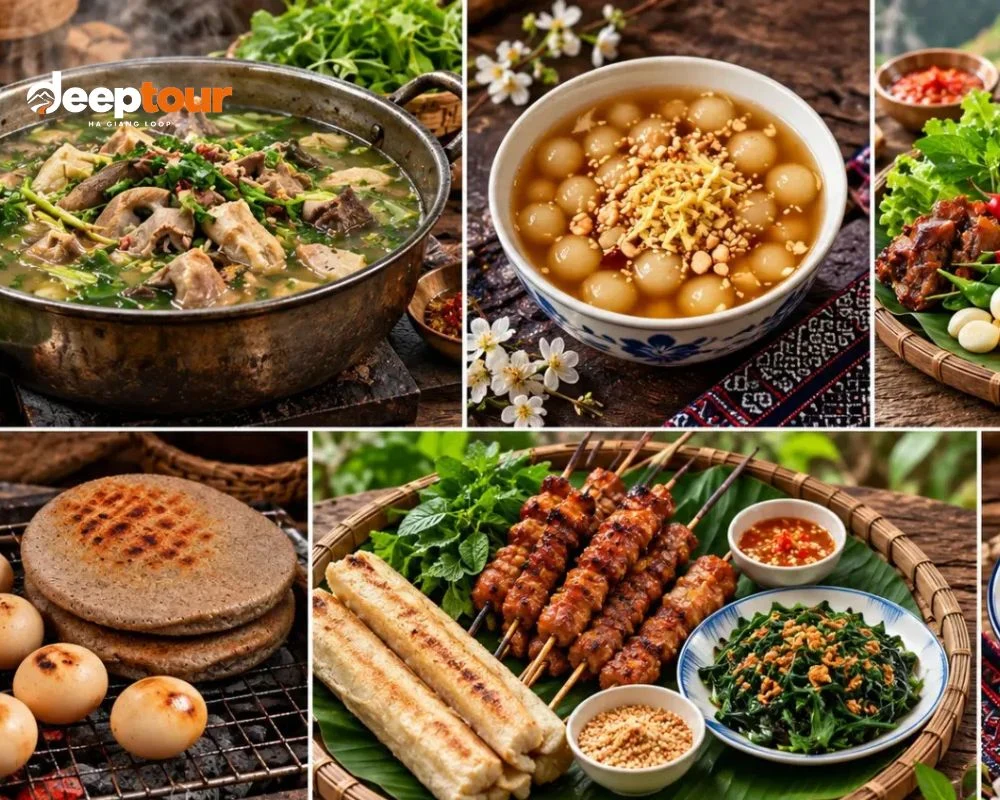
Curious what Ha Giang tastes like? Start with a home-cooked meal and let the local flavors do the talking
Explore Shan Tuyet tea culture in the highlands
Ha Giang is also known for Shan Tuyet tea, grown in the cooler, misty highlands. Some of the trees are decades or even centuries old, with thick trunks and broad branches that look nothing like the neat rows of ordinary tea plantations.
Visiting a tea-growing area, seeing how the leaves are picked and processed, and tasting the finished tea can be a quiet, interesting half-day. The process usually involves picking, heating, shaping and drying, though methods vary. When local growers talk about how the trees are cared for and how the knowledge is passed down, the experience feels more personal.
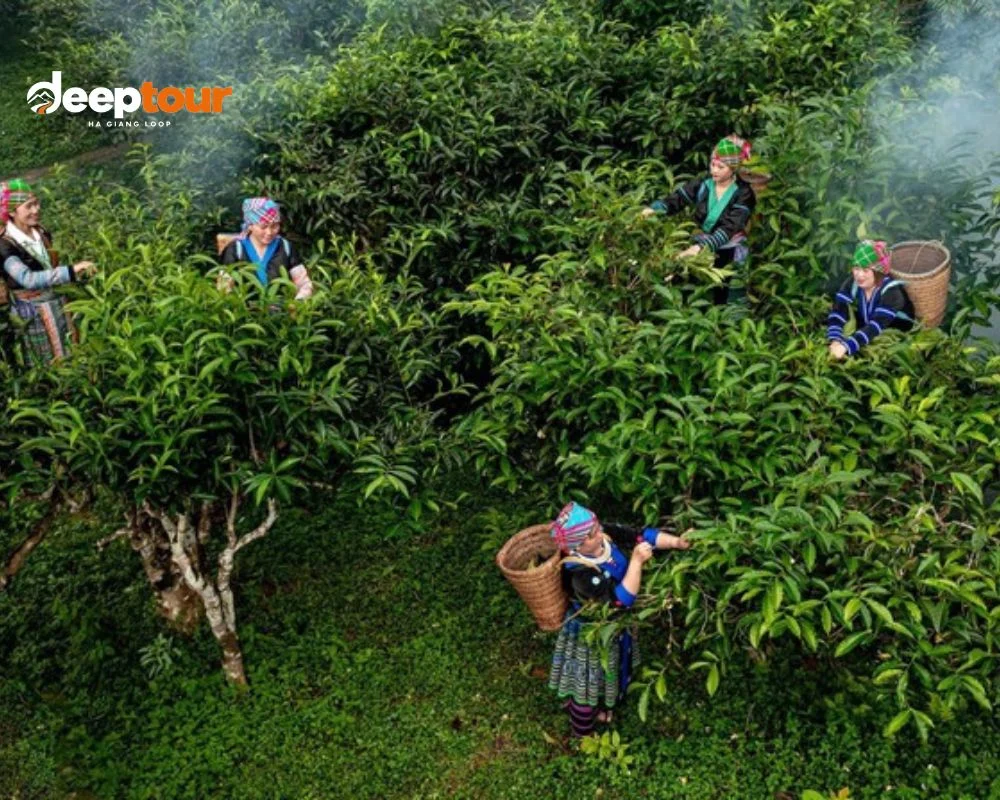
Behind every cup of Shan Tuyet tea is a story of mountain forests, old trees and generations of local knowledge
Enjoy peaceful countryside walks and cycling
Not every day in Ha Giang has to involve steep climbs or long treks. Around Ha Giang City, especially near Thon Tha and other Tay villages, there are gentler paths and quiet roads that work well for walking or easy cycling.
Early mornings are particularly nice, cooler air, softer light, and the countryside slowly coming to life. You might see people heading to the fields or moving between villages.
Carry water, wear comfortable shoes or proper cycling gear, and avoid unfamiliar trails in heavy rain. Sometimes the simplest days, just walking or riding without a fixed plan, end up being the most memorable.
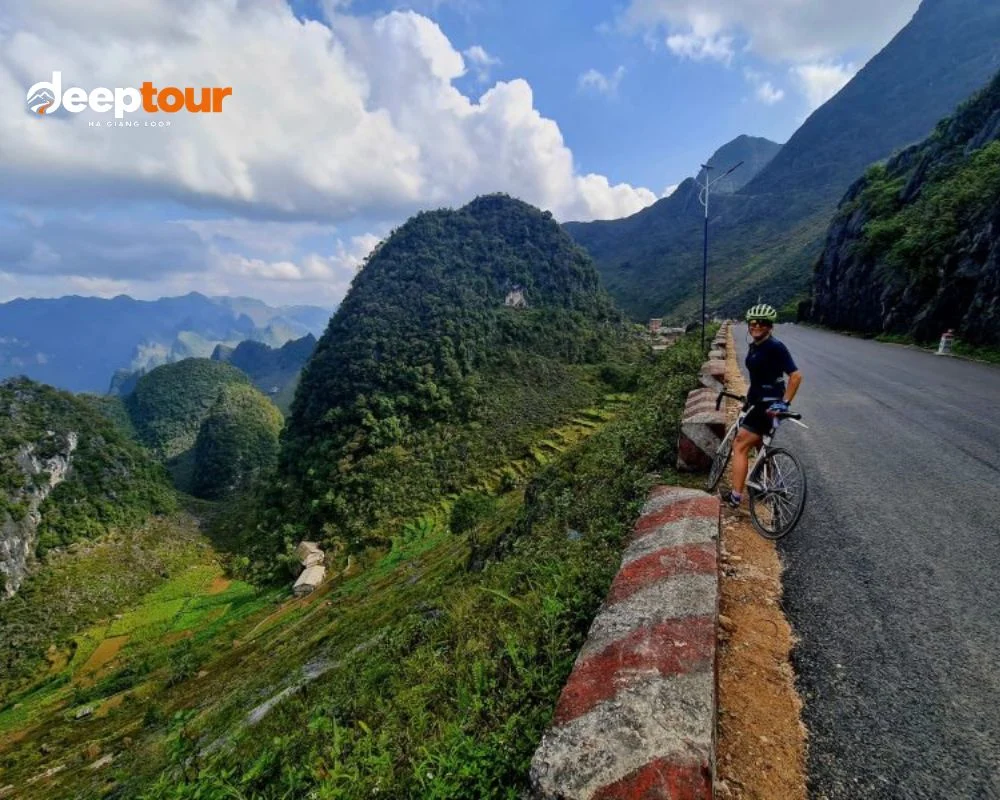
No packed itinerary, no rush. Just open countryside and the freedom to wander at your own pace
Experience traditional festivals and cultural activities
Ha Giang’s cultural calendar is shaped by the different ethnic communities living here. Festivals and ceremonies are tied to the agricultural year, spiritual beliefs, and local traditions.
One well-known example is the Long Tong Festival (Going to the Field Festival) celebrated by Tay communities early in the lunar year. It includes rituals hoping for good weather and a successful harvest, along with music, games, and performances. Some villages around Ha Giang City, including Thon Tha, keep their own seasonal events.
Then singing, a traditional Tay performance, sometimes appears during community gatherings or arranged cultural activities.
These events are important for the people that celebrate them. Be respectful of ceremonies and don’t cut in to take photos. Follow local guidance. Festivals often have dates linked to the lunar calendar and can vary from year to year, so if a particular festival is important to you, check in advance. For up-to-date information, a local guide or homestay host is usually your best bet.
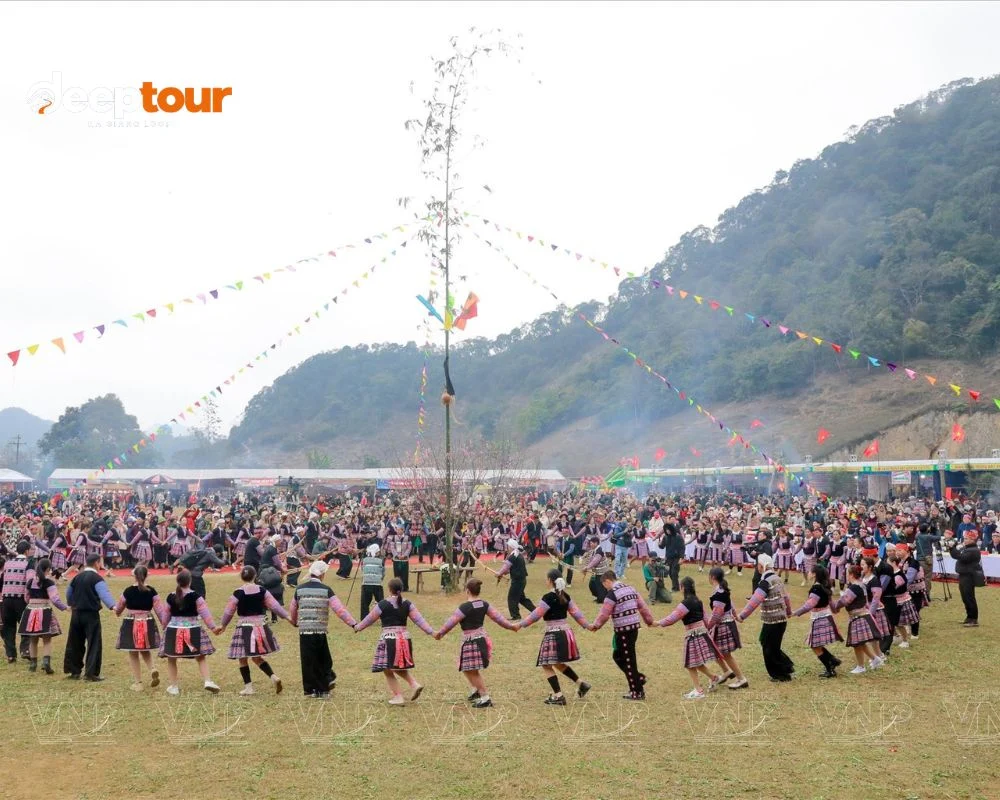
If your visit coincides with a local festival, you may get to see traditions that bring the whole community together
FAQs about exploring Ha Giang beyond the Loop
Is Ha Giang worth visiting without doing the Loop?
Yes. The Loop is the most famous experience, but it’s not the only reason to come. If you prefer walking, staying in villages, eating local food or simply slowing down, Ha Giang still has plenty to offer.
Are there trekking opportunities in Ha Giang?
There are. The most popular area for multi-day or full-day treks is Hoang Su Phi with the rice terraces cut into the mountainsides. There are trails from village to village, over hillsides and from short walks to longer trails into more remote areas.
What are the best cultural experiences in Ha Giang?
Staying in a traditional homestay is one of the best ways to experience local life. Visiting weaving or embroidery workshops, tasting regional dishes and learning about Shan Tuyet tea also give good cultural insight. If your timing works, traditional festivals such as the Long Tong Festival add another layer, though dates follow the lunar calendar and vary by community.
If you’re deciding what to do in Ha Giang besides the Loop, pick one or two that match your pace and interests. You don’t need to do everything, a few unhurried days can show you a side of the region that the main road doesn’t always reveal.
At DeepTour, we believe the best trips here balance the big views with the smaller, slower moments. Whenever you’re ready to explore beyond the Loop, we’re happy to help you shape a journey that feels right.