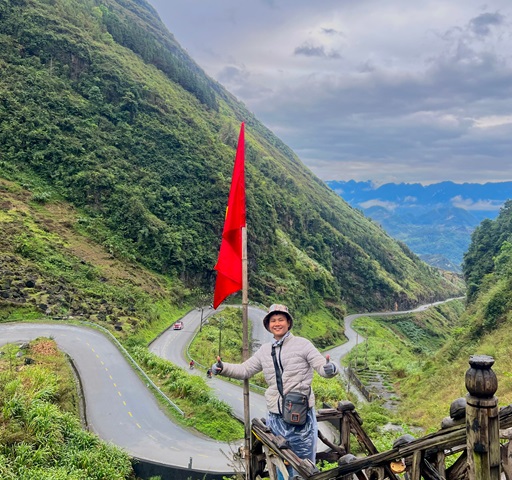

Some journeys stay with you long after the road ends. The Ha Giang Loop Vietnam is one of them. Picture yourself on winding mountain roads, limestone peaks rising all around, quiet villages tucked into valleys, and views that keep surprising you at every turn. Over three or four days you leave the noise of Hanoi far behind and discover a slower, wilder side of northern Vietnam.
How many days should you spend? Is it better to ride with an Easy Rider or go on your own? When is the best time to visit? In this guide, Deeptour walks you through everything you need to know: itineraries, budgets, must-see stops and practical tips, so you can plan a trip that feels right for you.
What is the Ha Giang Loop in Vietnam?
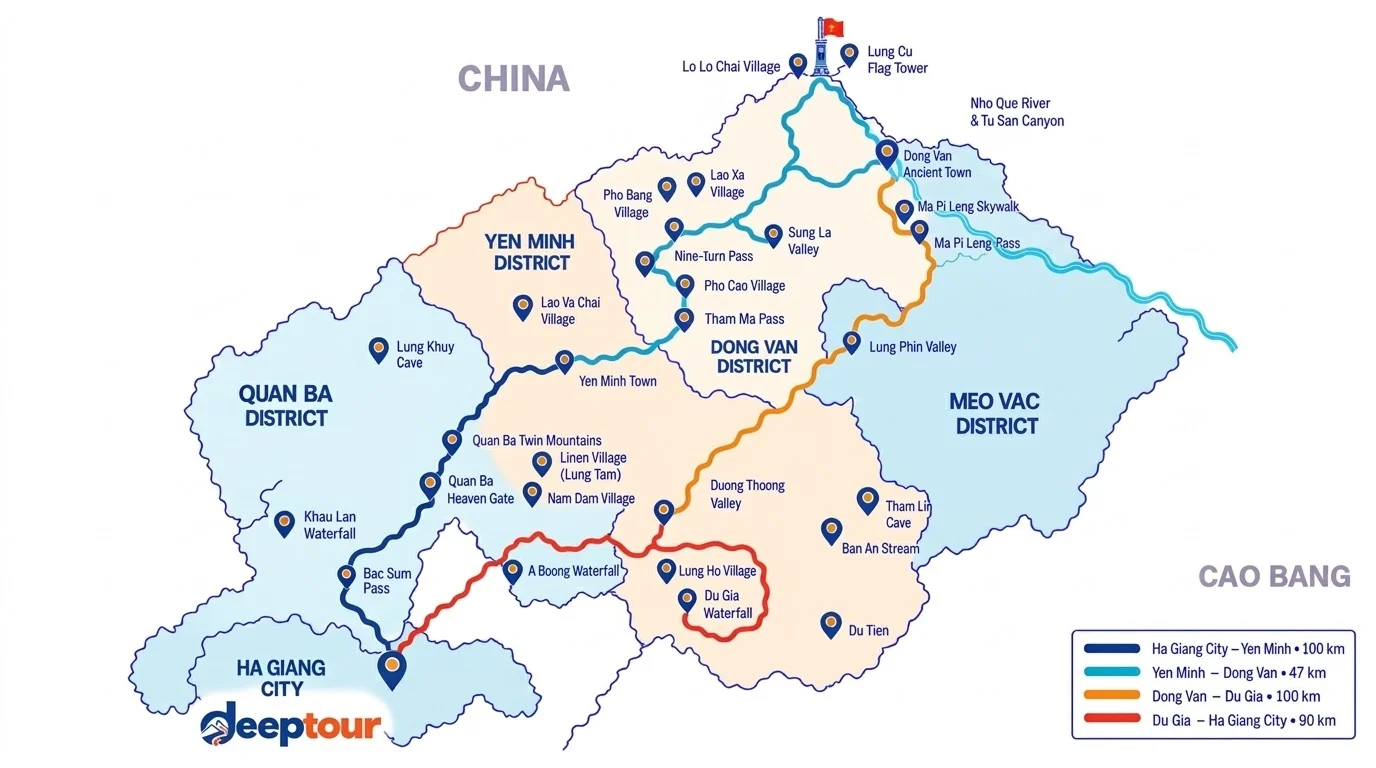
The Ha Giang Loop Vietnam is a multi-day motorbike trip in the mountains near the Chinese border. It starts and finishes in Ha Giang City and takes you through high passes, quiet valleys and traditional villages.
What makes this trip special is the road itself. Some stretches cling to cliffs high above deep valleys. Others travel through small farming communities where life still runs at its own pace. Most nights you’ll stay with local families, enjoy home-cooked meals and wake up to mountain views that feel a world away from the cities.
Travelers generally have a choice of two options:
- 3 days and 2 nights: a shorter trip that hits the main highlights.
- 4 days and 3 nights: a more leisurely pace, allowing for more time at viewpoints, villages and those impromptu stops that often become the best memories.
Some operators offer the fourth day as an optional add-on. Deeptour chose the 4 day version and would recommend it if your schedule allows. That extra day changes the whole feel of the journey.
A journey where every mountain pass opens up a new view of northern Vietnam
How many days should you spend on the Ha Giang Loop?
Exploring the Loop in 3 days
A 3 day 2 nights Ha Giang Loop tour works well if you’re short on time. You’ll ride through dramatic mountain passes, stop at famous viewpoints, and visit traditional villages. Most itineraries include Quan Ba Heaven Gate, Dong Van, Ma Pi Leng Pass, and the Nho Que River.
The big plus is efficiency, you see a lot of Ha Giang without spending too many days in one region. The downside is the pace. Days on the bike are long, and there’s less room for lingering at viewpoints or wandering through villages. If your Vietnam itinerary is tight, three days still delivers a memorable experience.
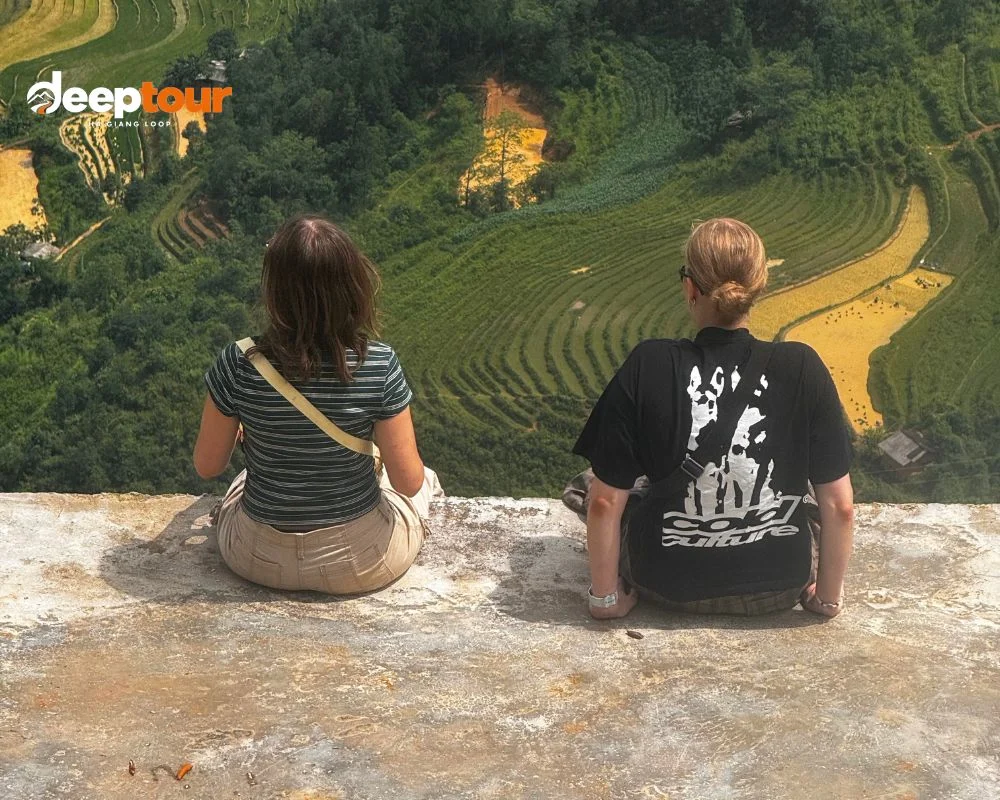
Three days on the road can reveal some of Ha Giang’s most unforgettable highlights
Taking a more relaxed 4 day journey
If you have the time, go for the 4 day 3 nights option. The extra day gives the trip room to breathe. You can stop more often, stay longer at the places that catch your eye, and enjoy the smaller moments instead of constantly watching the clock.
Four-day itineraries often include places like Lung Cu, Du Gia Village, or extra time in local communities that get skipped on shorter trips. Mountain roads are tiring, especially if you’re not used to long hours on a bike. Spreading the journey over four days simply feels better. We did it this way and the slower rhythm was one of the things we appreciated most.

An extra day means more time for quiet villages, spontaneous stops and moments worth remembering
Choosing the right trip duration
Both options offer stunning scenery. The choice comes down to your schedule and how you like to travel.
Three days works if time is limited and you mainly want the highlights. Four days is better if you enjoy photography, slow village walks, and not feeling rushed. Our recommendation: choose four days when you can. Just remember to factor in the travel time between Hanoi and Ha Giang that sits outside the loop itself.
Must-see landscapes along the Ha Giang Loop
One of the joys of the Ha Giang Loop is how quickly the scenery changes. You can start the morning in a misty valley and find yourself surrounded by sharp limestone cliffs a few hours later. A few places stand out.
Quan Ba Heaven Gate and the Twin Mountains
Quan Ba Heaven Gate is often the first major viewpoint. From the top you look out over a wide green valley ringed by mountains. Nearby, the Quan Ba Twin Mountains rise side by side, two rounded hills that make a perfect first photo stop.
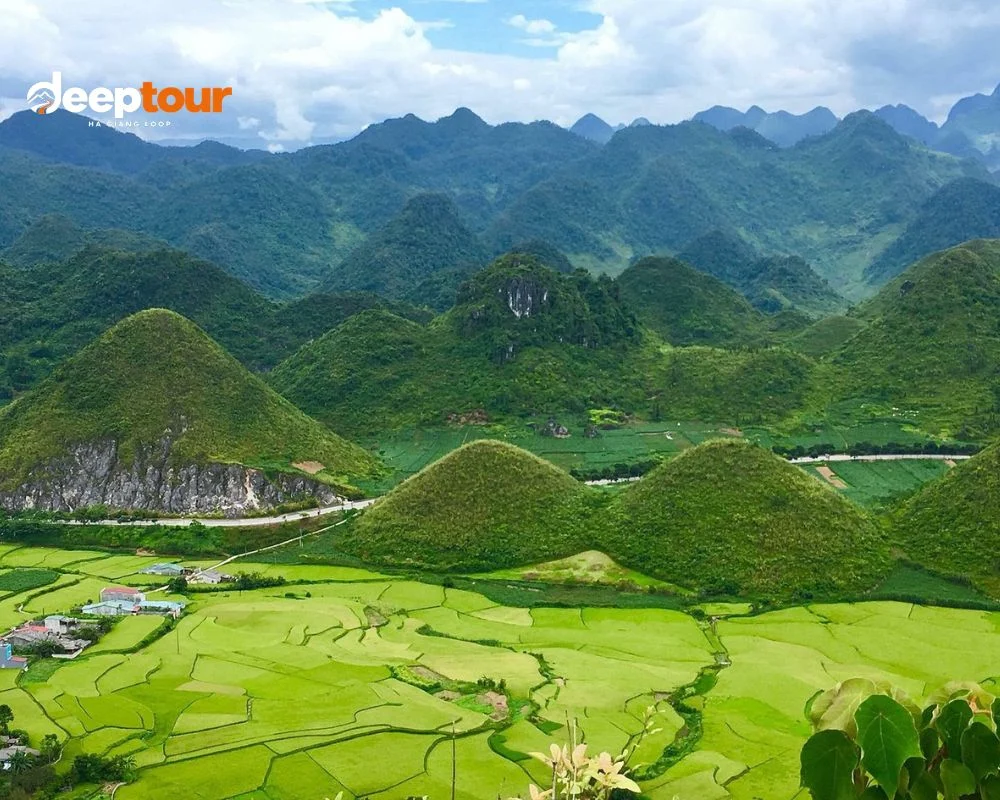
Quan Ba Heaven Gate offers views toward the Twin Mountains and surrounding green valleys
Tham Ma Pass
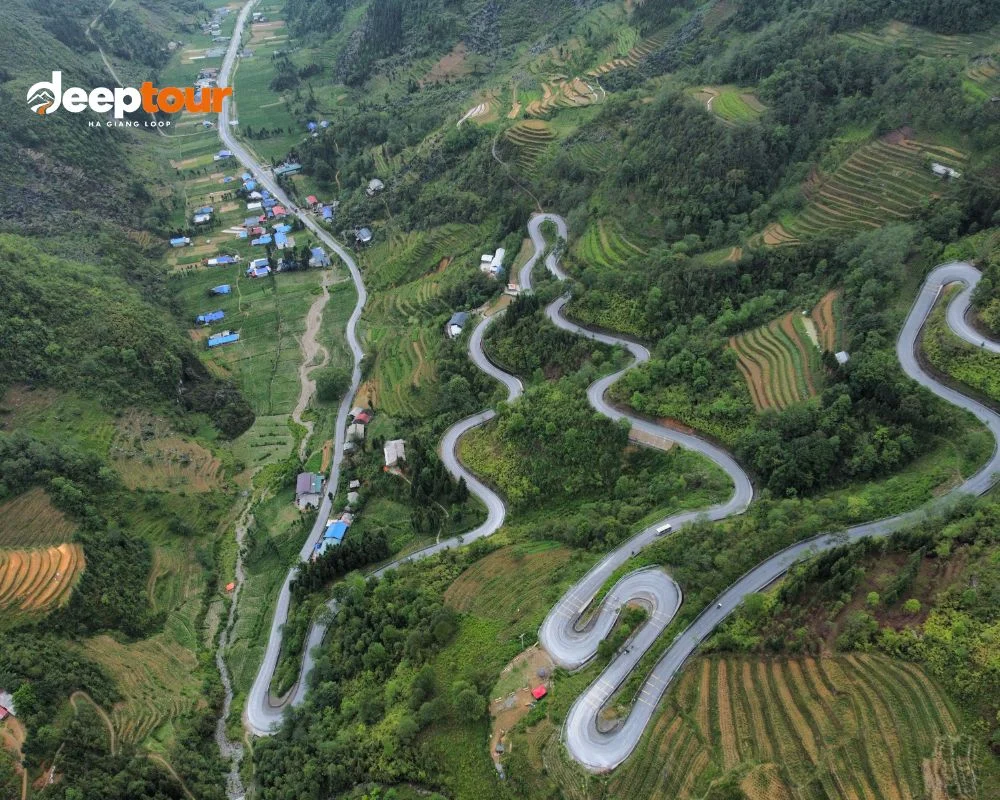
Tham Ma Pass is famous for its winding road that folds back and forth across the mountainside. The viewpoint above is a classic photography spot, especially when you can see the bends stretching into the valley below. Here the road itself becomes part of the view.
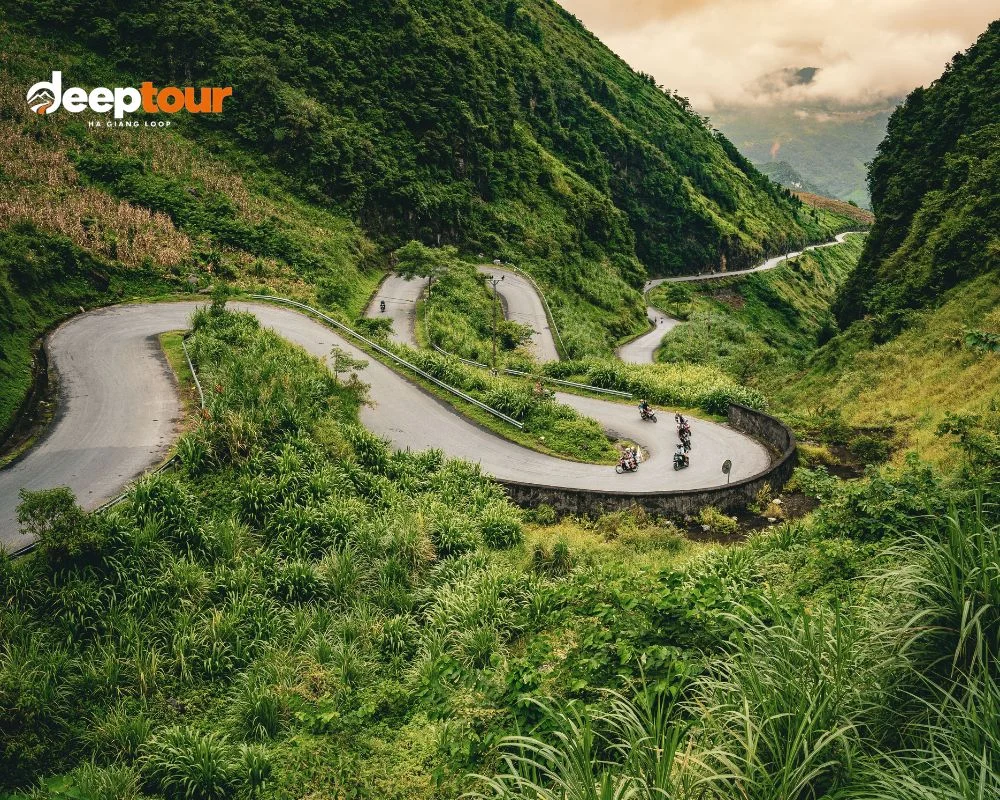
Tham Ma Pass is known for its striking series of bends and roadside viewpoints.
Dong Van Karst Plateau
Part of a UNESCO Global Geopark, the Dong Van Karst Plateau feels different from the rest of Vietnam. Instead of soft green hills you find rugged limestone, rocky fields, and small villages set among the stone. It’s one of the most distinctive landscapes on the loop.
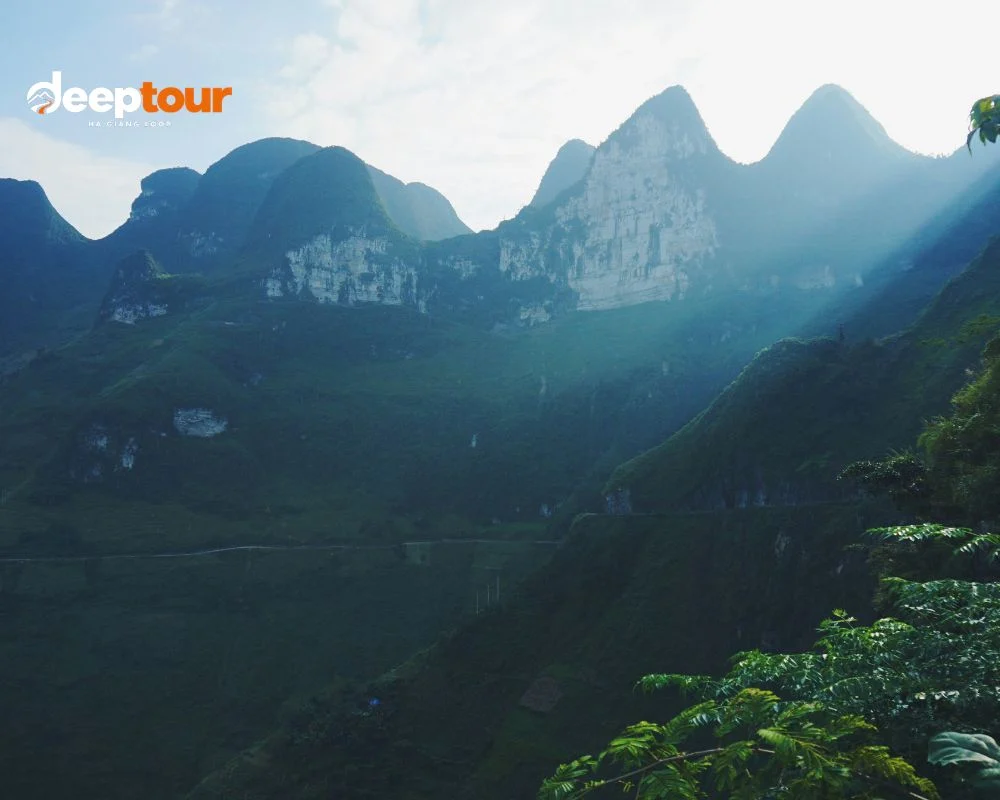
The Dong Van Karst Plateau is known for its rocky terrain and traditional mountain communities.
Ma Pi Leng Pass
Ma Pi Leng is the star of the Ha Giang Loop Vietnam. The road follows the mountainside high above a deep canyon, with sweeping views of the peaks and the Nho Que River far below. On clear days the river looks like a turquoise ribbon. This is a stretch where you want to slow down and take your time.
Ma Pi Leng Pass is one of the most memorable mountain viewpoints on the Ha Giang Loop
Nho Que River and Tu San Canyon
The Nho Que River runs a striking turquoise between steep limestone cliffs. Many tours offer an optional boat trip through Tu San Canyon so you can look up at the towering walls from the water. It’s a welcome change of perspective after days on the bike.
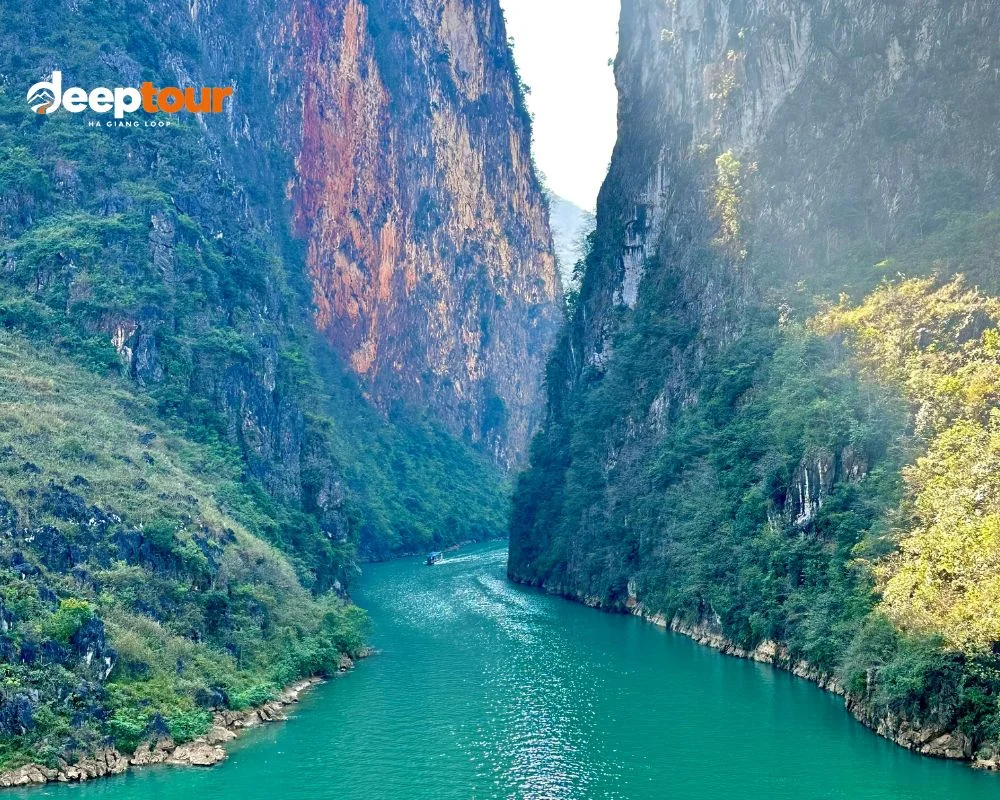
A boat trip along the Nho Que River offers a different perspective on Tu San Canyon
Du Gia Village
If your route includes Du Gia, you’ll find a quieter side of the loop. Surrounded by mountains, rice fields, and small farming communities, it’s a peaceful place to spend the night. Depending on time and weather, you may also visit Du Gia Waterfall. After several days of mountain roads, a night here feels like a gentle reset before heading back to Ha Giang City.
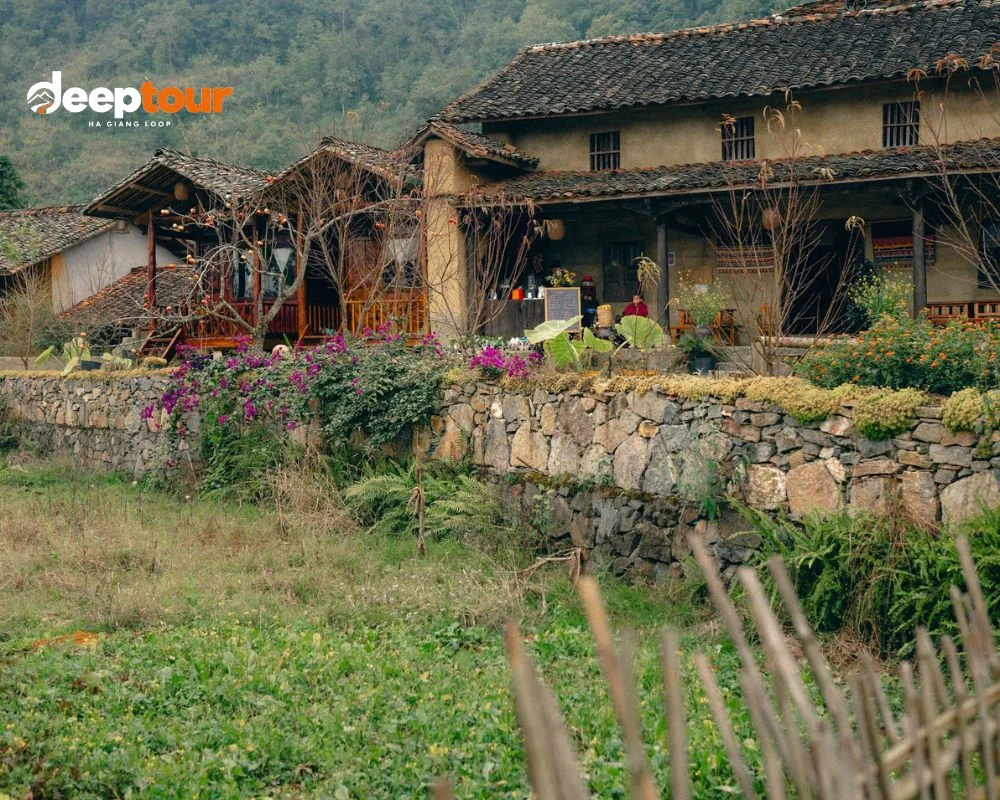
Du Gia offers a quieter stop on the loop, with mountain views and village homestays
When is the ideal time to explore the Ha Giang Loop?
You can ride the Ha Giang Loop year-round, but the weather shapes the experience. Mountain temperatures shift quickly and often feel different from Hanoi.
Many travelers find March to April and October to November the sweet spots.
- Spring (March – April) brings mild days and fresh green scenery, sometimes with flowers in the villages.
- Autumn (October – November) is usually cooler and drier with buckwheat flowers adding color to the rocky plateau.
- May to September means warmer weather and more rain. The mountains are very lush but the heavy showers can make the roads slippery and increase the risk of landslides.
- December to February can turn surprisingly cold, especially at higher elevations, with fog that reduces visibility. Warm layers become essential.
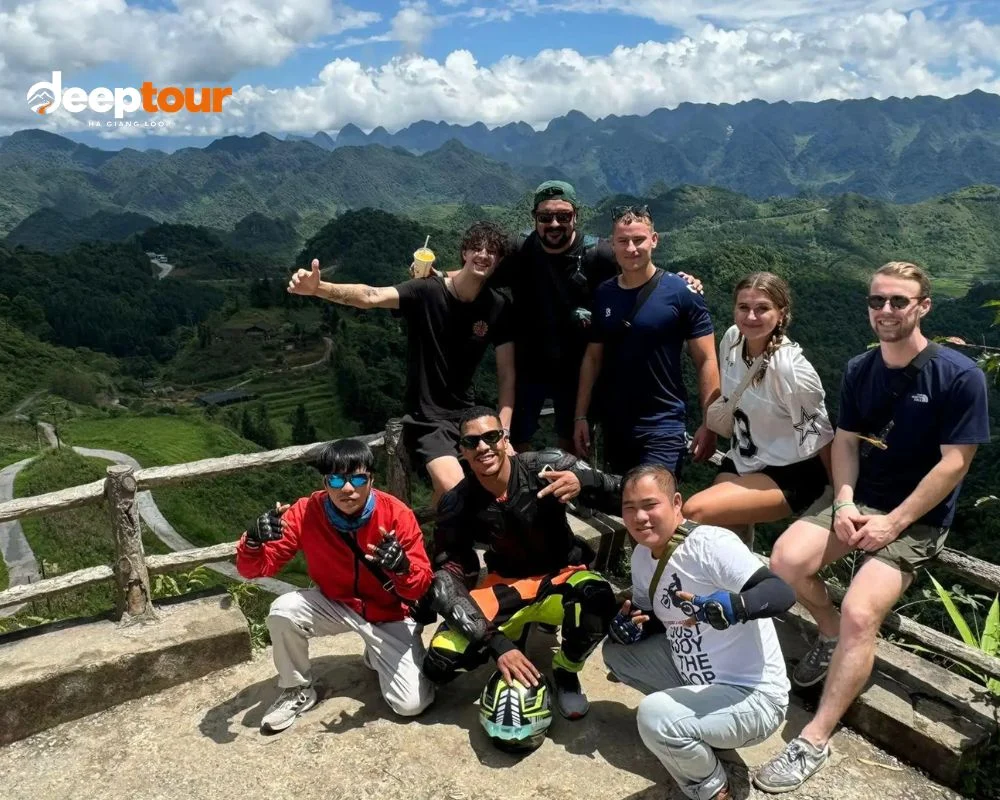
Spring and autumn are popular seasons for exploring the Ha Giang Loop, each with different scenery
If your dates are flexible, aim for spring or autumn. Mountain weather is unpredictable either way, so check the local forecast before you set off.
Ways to experience the Ha Giang Loop
Riding with a local Easy Rider
For many first time visitors, an Easy Rider tour is the most easy and comfortable option. A local driver takes the bike and you sit behind. You get the thrill of the open road without having to navigate hairpin turns, tight stretches or mountain traffic yourself.
Local drivers know the route well and can point out viewpoints, good food stops, and quiet villages. You also don’t need a motorcycle license. Just make sure the company provides proper helmets and builds in regular breaks, you’ll still spend several hours on the bike each day.
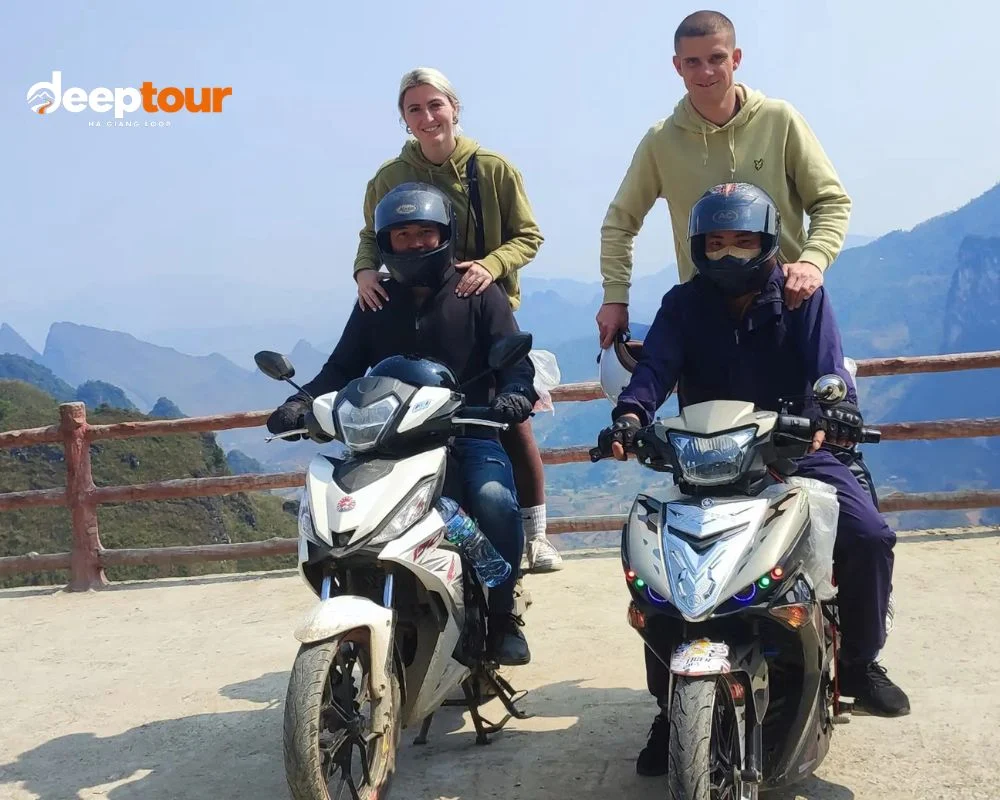
An Easy Rider tour lets visitors enjoy the mountain scenery while a local driver handles the road
Exploring independently by motorbike
If you’re an experienced rider, going independently gives you full freedom. You decide how long to linger at each stop and which side roads to explore. Semi-automatic bikes are easy to rent in Ha Giang City.
Don’t underestimate the roads, though. Some sections have steep climbs, tight corners, uneven surfaces and few barriers. Rain and fog make things harder, you’ll need the correct motorcycle documents recognized in Vietnam and proper insurance. If you’ve never ridden before, this is not the place to learn, an Easy Rider is the safer choice.
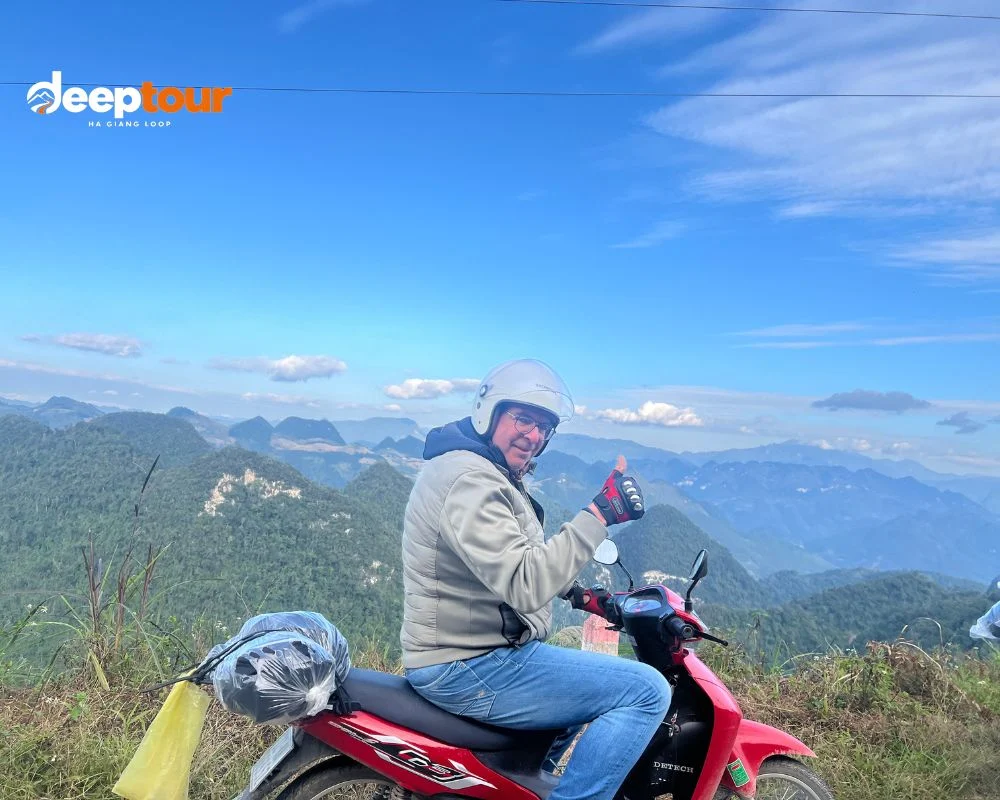
Independent riding offers flexibility, but the mountain roads require experience and appropriate documents
Traveling by private car
Not everyone wants to spend days on a motorbike, and that’s fine. Private car tours with a local driver let you see most of the same viewpoints, villages and passes. This option suits families, couples who want more comfort or anyone who prefers four wheels.
You will see the scenery from inside the vehicle rather than an open bike and it is usually more expensive. For some travelers, the added comfort and flexibility is worth it.
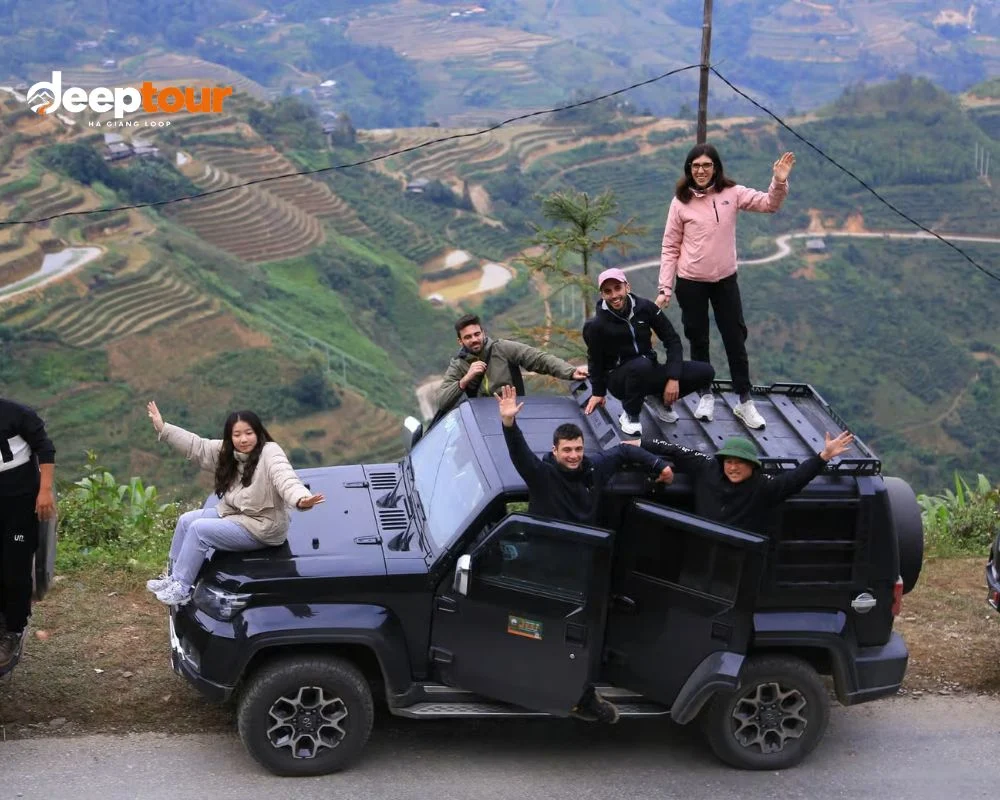
Private car tours are an alternative for travelers who prefer to explore the route without a motorbike
How much to budget for the Ha Giang Loop?
Costs vary with the length of the trip, whether you take a guided tour and the standard of accommodation. On the plus side, the Ha Giang Loop is still relatively affordable compared to many multi-day adventures.
Main expenses to consider
- Transportation: Guided tours usually include the bike, driver and fuel. Riders will have to budget for rental and petrol on their own.
- Accommodation: Most nites are in homestays or basic guesthouses. Shared rooms cost less and private rooms cost more.
- Food and drinks: Breakfast, lunch and dinner are included on many tours. Continue to budget a little money for coffee, snacks or extra drinks.
- Activities and entrance fees: Some additional activities such as the Nho Que River boat trip may be extra if not included.
- Hanoi transfers: Verify whether transfers to and from Ha Giang City are included in the package.
Carry some Vietnamese dong in cash. Smaller villages and homestays often don’t take cards.
Guided tour costs vs independent travel expenses
As a rough guide, a 3 day Easy Rider tour usually runs around $160 – $250 USD per person (≈ 4,200,000 – 6,500,000 VND). A 4 day tour is typically $200 – $320 USD (≈ 5,200,000 – 8,300,000 VND). Prices vary with the company, group size and what’s included.
Independent travelers might spend US$30 – 60 per day on basic rental, fuel, meals, and simple accommodation (not counting transfers or extras). Once everything is added up, self-riding isn’t always dramatically cheaper than a well-organized group tour.
Don’t choose purely on price. A reliable driver, well-maintained bike, proper safety gear and decent beds make a real difference over several days in the mountains.
Compare full tour inclusions with daily self-ride costs before deciding which option offers better value
Getting ready for your Ha Giang Loop adventure
A bit of preparation goes a long way. The Ha Giang Loop has grown popular, yet much of the route still feels remote.
Traveling from Hanoi to Ha Giang
Most people start from Hanoi. The distance is about 300 km and the journey takes roughly 6 – 8 hours depending on traffic and weather. Overnight sleeper buses and limousine vans are the most common options. Sleeper buses let you travel overnight and arrive early, though sleep quality varies.
Many tour companies arrange the transfer and provide a night in Ha Giang City before the loop begins. Arriving a day early is worth it if you can, you’ll rest better and start the mountain roads fresher.
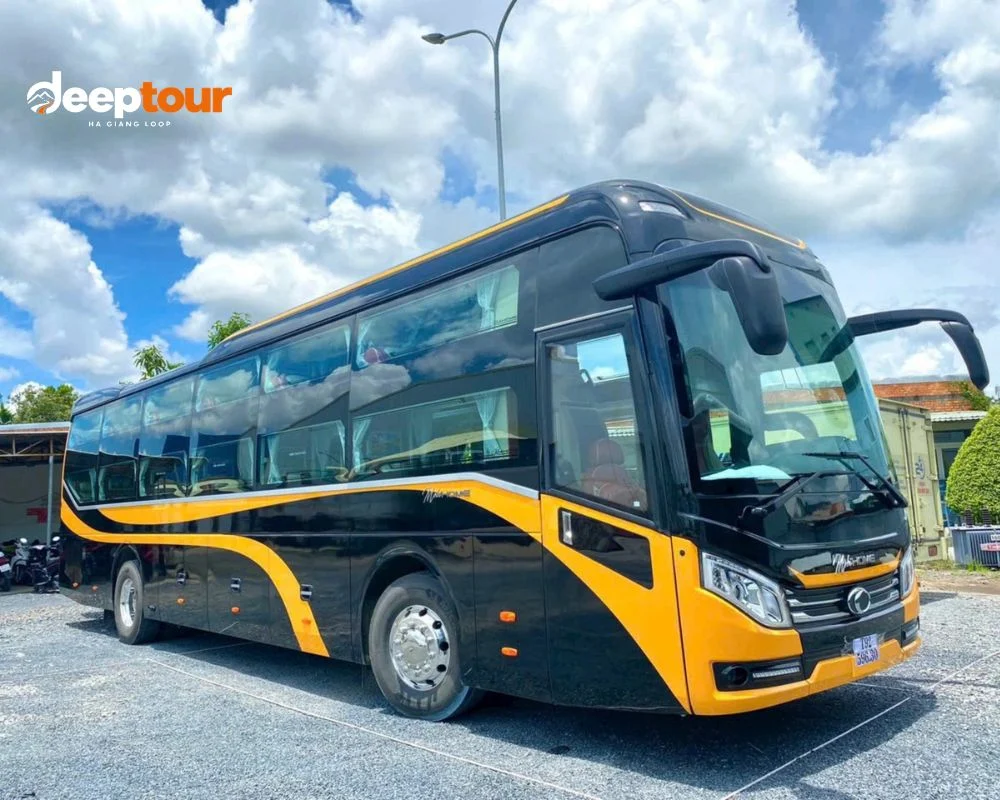
Many travelers reach Ha Giang from Hanoi by sleeper bus or limousine van before starting the loop
Clothing, riding gear and essential items
Packing for the Ha Giang Loop is different from packing for the beach. Even when Hanoi is warm, mountain mornings and high passes can feel cold and windy.
Bring a warm layer, a windproof or waterproof jacket, long trousers, gloves and closed-toe shoes. Other useful items: sunscreen, sunglasses, a power bank, any personal medication, and a small daypack. In the rainy season a waterproof cover for your bag is helpful.
Travel light. You’ll carry everything on the bike for several days. Most companies let you leave larger luggage at their base in Ha Giang City.
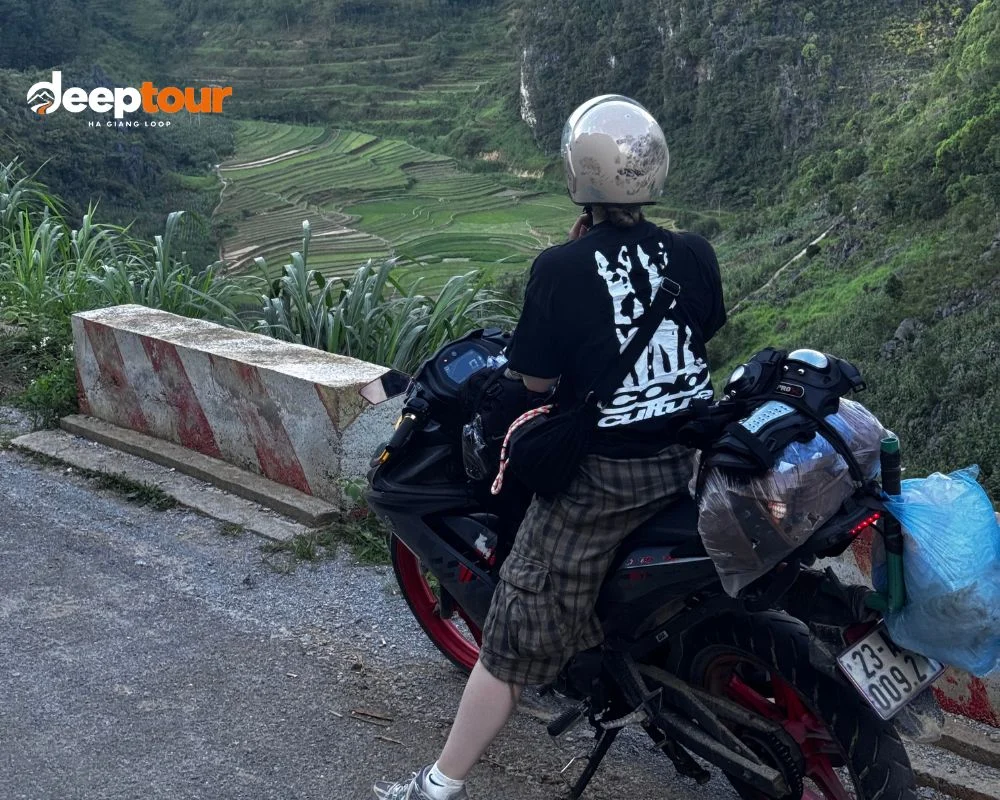
Layered clothing, protective riding gear and a light daypack help prepare for changing mountain weather
Road safety, driving requirements and travel precautions
The scenery is spectacular, but the roads demand respect. They can be narrow and winding, with trucks, livestock, construction or sudden obstacles.
Independent riders need a valid motorcycle license and an International Driving Permit accepted in Vietnam (requirements depend on your nationality). Check your documents and insurance carefully. Whether you’re driving or riding as a passenger, always wear a well-fitting helmet and protective clothing.
No riding after dark, drive carefully around corners, especially in rain or fog. Check your travel insurance covers you for riding on a motorcycle, even if you are a passenger. If the pace is too fast, if you are uncomfortable with the conditions, say so. It’s about having fun along the way, not rushing to the end.
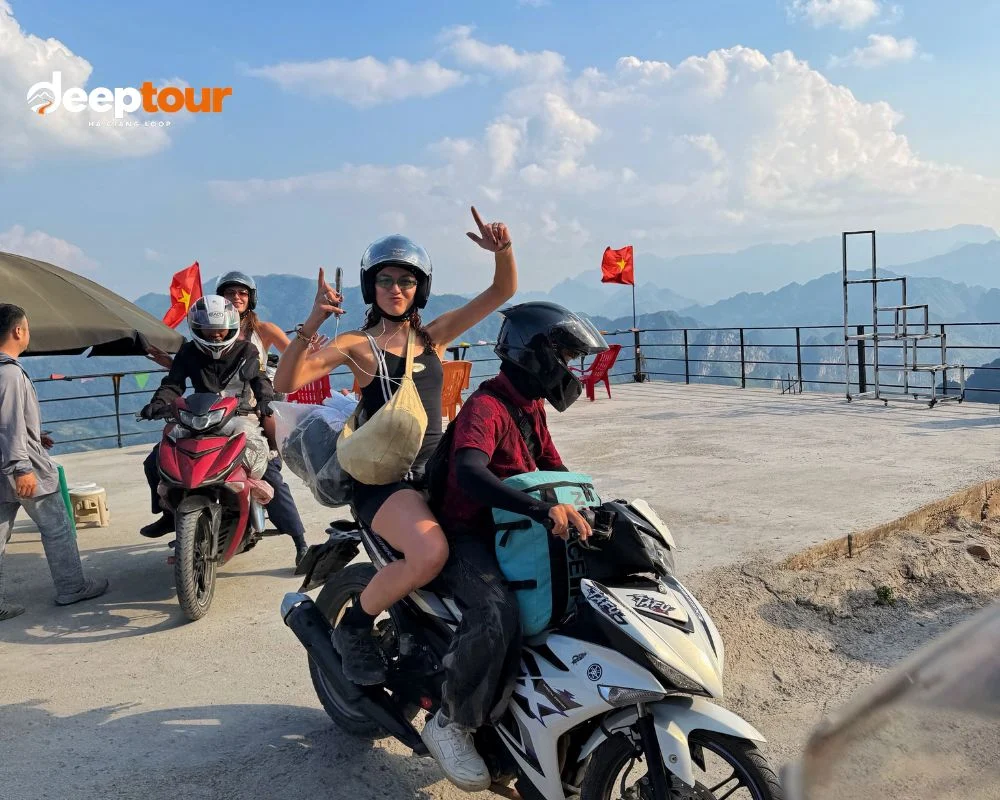
Safe riding depends on suitable gear, proper documents and extra caution around bends and in poor weather
How to choose a suitable Ha Giang Loop tour
What to check before booking
Look past the photos and the price, read recent reviews, paying attention to comments about drivers, safety, accommodation, and organization. Study the itinerary carefully. Some three-day tours pack in long riding days, four-day versions often include extra villages or more time at the best stops.
If you’re booking an Easy Rider tour, ask about the drivers’ experience, the quality of helmets and gear, and what happens in bad weather. Clear, responsive communication before you book is usually a good sign.
Understanding group size, services and tour inclusions
Group size shapes the experience. Larger groups can be more social, useful if you’re traveling solo and want to meet people. Smaller groups often feel quieter and more flexible.
Check exactly what’s included: accommodation, meals, fuel, bike and driver, entrance fees, and transport from Hanoi. Ask whether rooms are shared or private, whether the Nho Que boat trip is included and if there’s an extra charge for a fourth day. If you prefer a slower pace, say so when you book (A good operator will help match you with the right itinerary).
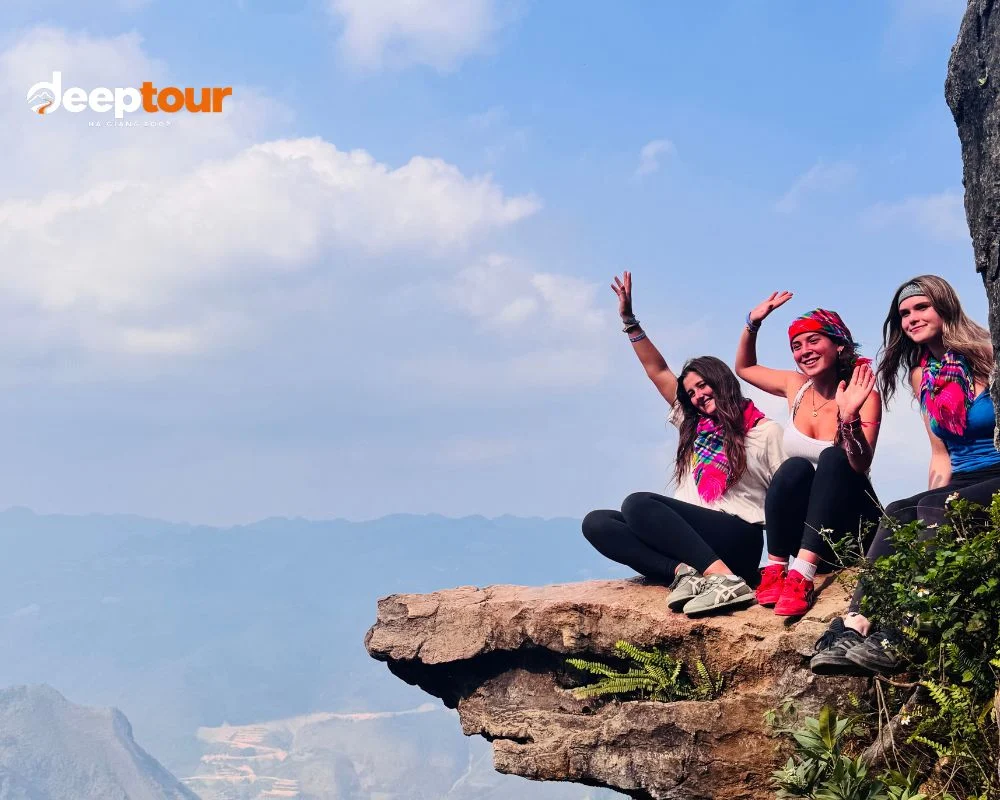
Group size and inclusions shape the tour experience, from accommodation to meals and transport
Frequently asked questions about the Ha Giang Loop
Is the Ha Giang Loop suitable for first-time visitors?
Yes. Many people do the Ha Giang Loop Vietnam as their first trip into the northern mountains. You don’t need prior experience in the region. If you’re not comfortable riding a motorbike, an Easy Rider tour is the way to go. Just be ready for long days, changing weather and simple accommodation in some villages.
Can you experience the Ha Giang Loop without riding a motorbike?
Absolutely. An Easy Rider tour lets you sit behind a local driver. A private car with a driver is another solid option if you prefer not to be on a bike at all. Both ways still give you the mountain scenery, villages, and famous viewpoints.
Do you need to book a tour in advance?
Booking ahead is a good idea, especially in the popular months of March, April, October and November. It’s particularly useful if you want a small group, a private room or specific dates. In quieter periods you can sometimes arrange a tour after arriving in Ha Giang, but booking in advance gives you more choice and less last-minute stress.
The Ha Giang Loop Vietnam is more than just beautiful views. It’s the roadside coffee stops, the shared meals in homestays and the quiet moments when the road opens up and the mountains fill the horizon. If your schedule allows it, give yourself that extra day. Take your time, stay open to the unexpected, and let the road show you its best side.