Introduction to Ha Giang – where it is, what makes it special, top places to see, how to get there, where to stay and practical tips for first time visitors.
Ha Giang sits in the far north of Vietnam and feels completely different from the cities or beach towns further south. The mountains are steep, the roads wind tightly and traditional villages still shape daily life in the highlands.
If you’re planning a first trip, this guide covers the basics, where it is, what makes it special, the main places to see, how to get there, where to stay and a few practical notes. DeepTour put it together so you know what to expect before you go.
Where is Ha Giang in Vietnam?
Ha Giang is right up against the Chinese border, about 300 kilometers by road from Hanoi. After the administrative changes in July 2025, the old Ha Giang Province became part of Tuyen Quang Province. Travelers and tour companies still call the whole area Ha Giang and that’s the name you’ll see everywhere.
The landscape is mostly limestone mountains, deep valleys, rivers and highland plateaus. Some parts are steep and rocky with almost no flat land. Others have greener valleys and terraced rice fields. The Dong Van Karst Plateau is the most distinctive feature of a UNESCO Global Geopark full of ancient limestone formations.
Around the old Ha Giang City the scenery is softer. Further north, through Quan Ba, Yen Minh, Dong Van and Meo Vac, the rock becomes sharper and more dramatic. In the west, Hoang Su Phi is known for its cascading rice terraces, a completely different look from the limestone further east.
Because it’s mountainous, temperatures can change a lot between the valleys and the higher passes and the weather can shift quickly in a single day.
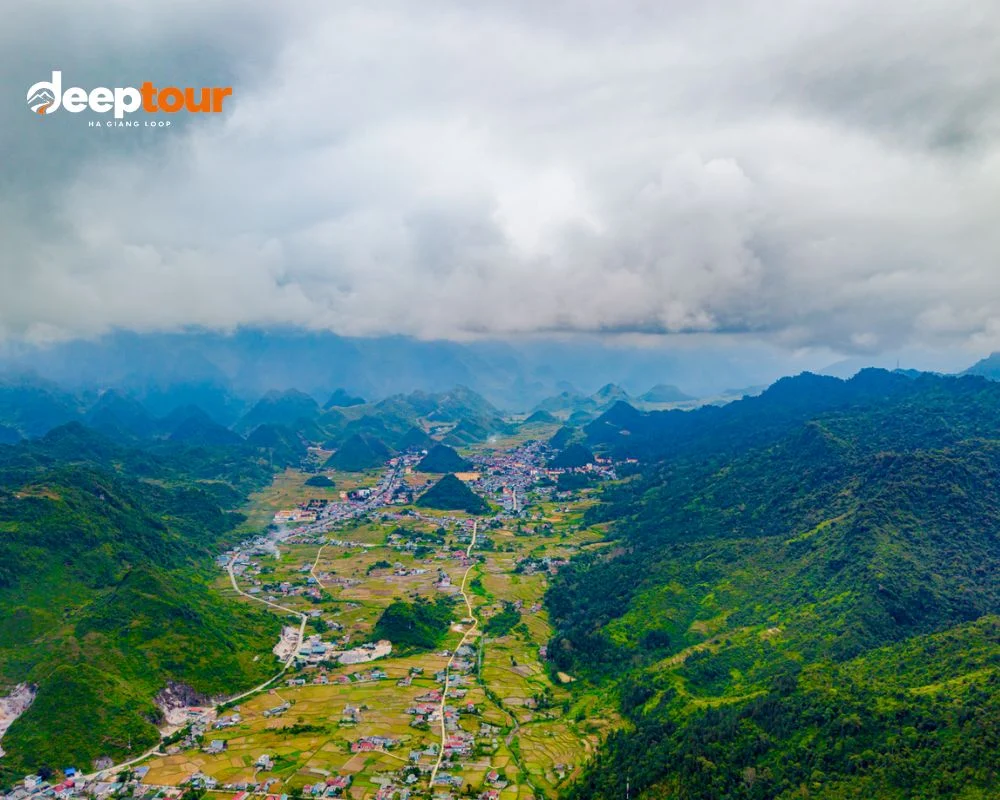
Tucked away in Vietnam’s far north, Ha Giang is a world of towering mountains, deep valleys and remote highland villages
What makes Ha Giang a unique travel destination?
Two things stand out: the landscapes and the culture.
This isn’t a beach destination or a city full of big monuments. It’s mountain countryside, high limestone peaks, rivers cutting through canyons and roads that cling to steep hillsides. The views keep changing as you move.
The region is home to many ethnic communities H’Mong, Tay, Dao, Lo Lo, Nung, Giay and others. Each group has its own traditions, clothing, houses and customs. You’ll see traditional earthen houses, wooden stilt homes, busy markets and villages surrounded by fields.
Travel here often feels slower. You can stop at viewpoints, try local food, stay in a homestay and notice everyday mountain life. Tourism has developed but many places still have a distinct link with farming and village life.
If you are a lover of nature, cultural discoveries and scenic journeys, Ha Giang is a different place from most other places in Vietnam.
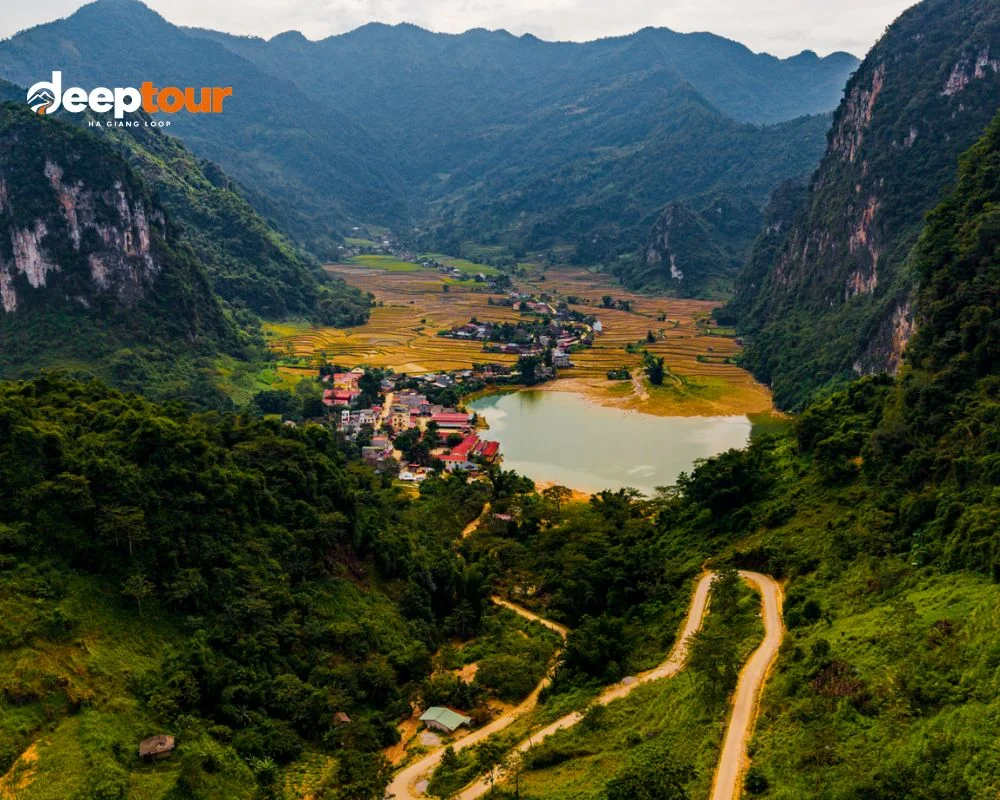
Beyond the breathtaking landscapes, Ha Giang reveals a way of life deeply connected to the mountains and local traditions
What is Ha Giang famous for?
Spectacular mountain landscapes and winding roads
Limestone peaks, deep valleys and narrow mountain passes dominate the northern highlands. In places the road curves tightly along steep slopes, opening new views around almost every bend.
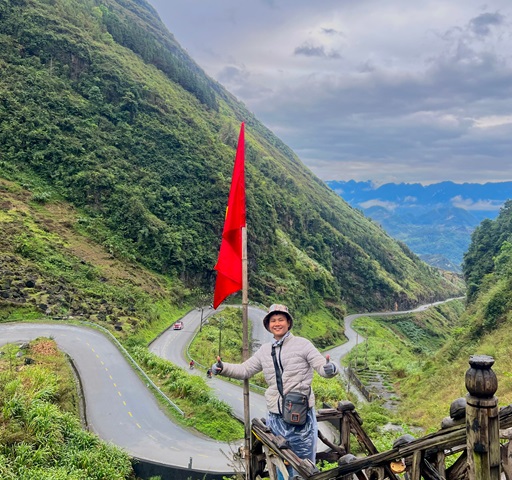
Ma Pi Leng Pass, between Dong Van and Meo Vac, is the best-known stretch. The road runs high above the Nho Que River, with layers of peaks stretching into the distance on clear days. Tham Ma Pass and the routes through Quan Ba and Yen Minh are also well known for their scenery.
The same geography that creates the beauty also makes the roads more demanding. Give yourself enough time and don’t rush, especially in rain or fog.
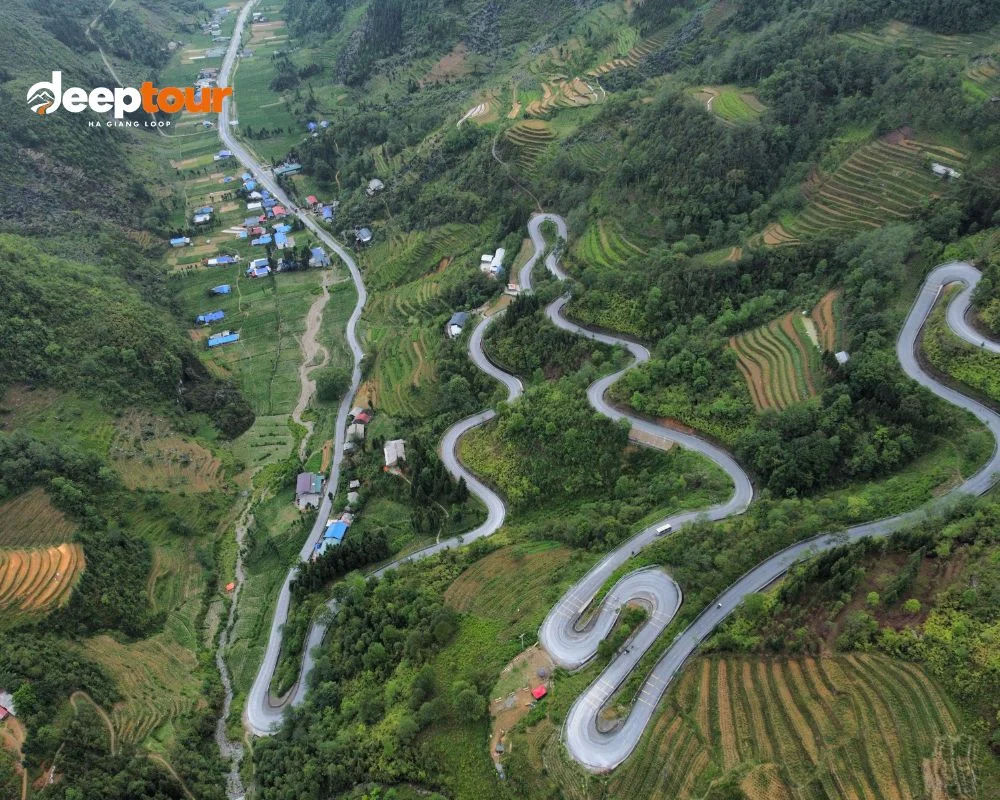
Every twist and turn brings a new perspective of Ha Giang’s spectacular mountain scenery
Diverse ethnic communities and traditional highland culture
H’Mong communities are strong in the rocky highlands around Dong Van and Meo Vac. Traditional houses, embroidered clothing, music and local festivals shape the atmosphere there. Tay communities tend to live in lower valleys, where wooden stilt houses stand among rice fields. Tay life still vividly exists in villages such as Thon Tha and Ha Thanh, near the old Ha Giang City.
The Red Dao are well known for their detailed embroidery and distinct headgear. Lo Lo communities around Lung Cu keep their own clothing styles and customs. Traditional markets in Dong Van and Meo Vac bring people from surrounding villages together to trade, eat and socialize a good window into everyday highland life.
These villages are real homes, move with respect, ask before photographing people and follow local guidance when visiting private houses or cultural sites.
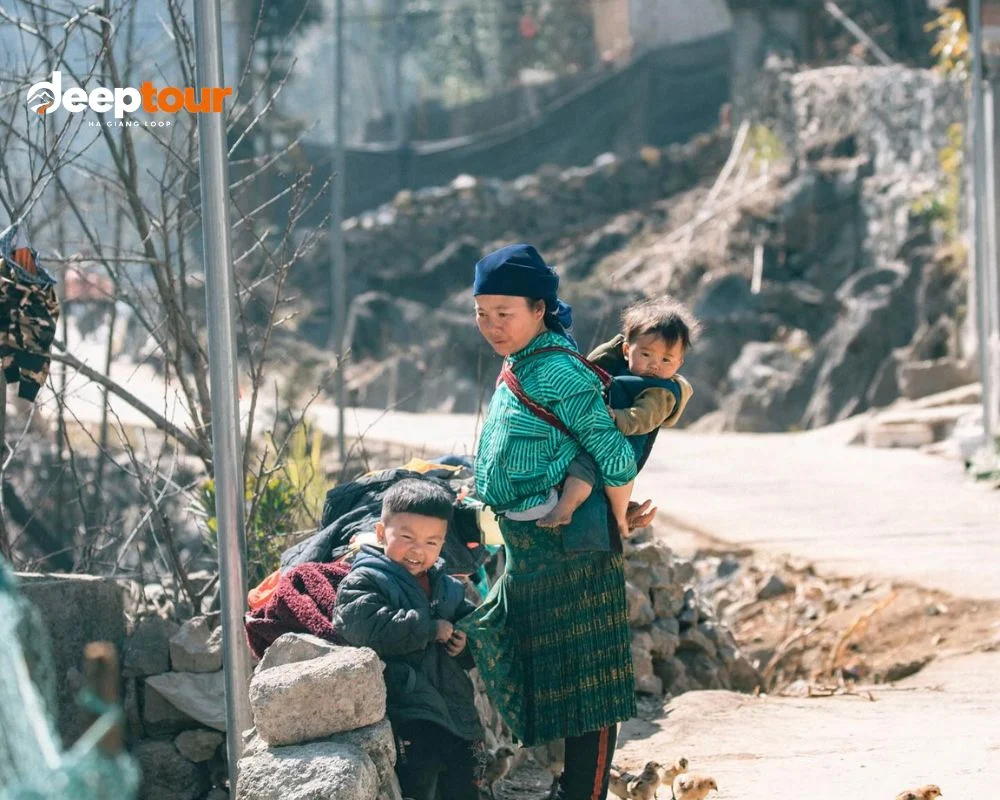
Colorful clothing, lively markets and centuries-old customs offer a glimpse into the rich cultural heritage of the northern highlands
The Ha Giang Loop and its scenic mountain routes
The Ha Giang Loop is the region’s best-known travel experience and the main reason many international visitors come.
A typical itinerary starts in the old Ha Giang City and heads north through Quan Ba, Yen Minh, Dong Van and Meo Vac before looping back. Some routes also include Du Gia for its quieter countryside and waterfall.
Most people complete the Loop in three or four days. Longer itineraries give more time for viewpoints, villages and slower stops. Along the way you’ll pass mountain passes, markets, limestone valleys, rivers and remote communities.
You can ride independently if you have solid experience and the correct documents, join an Easy Rider tour as a passenger behind a local driver, or travel by private car if you prefer more comfort.
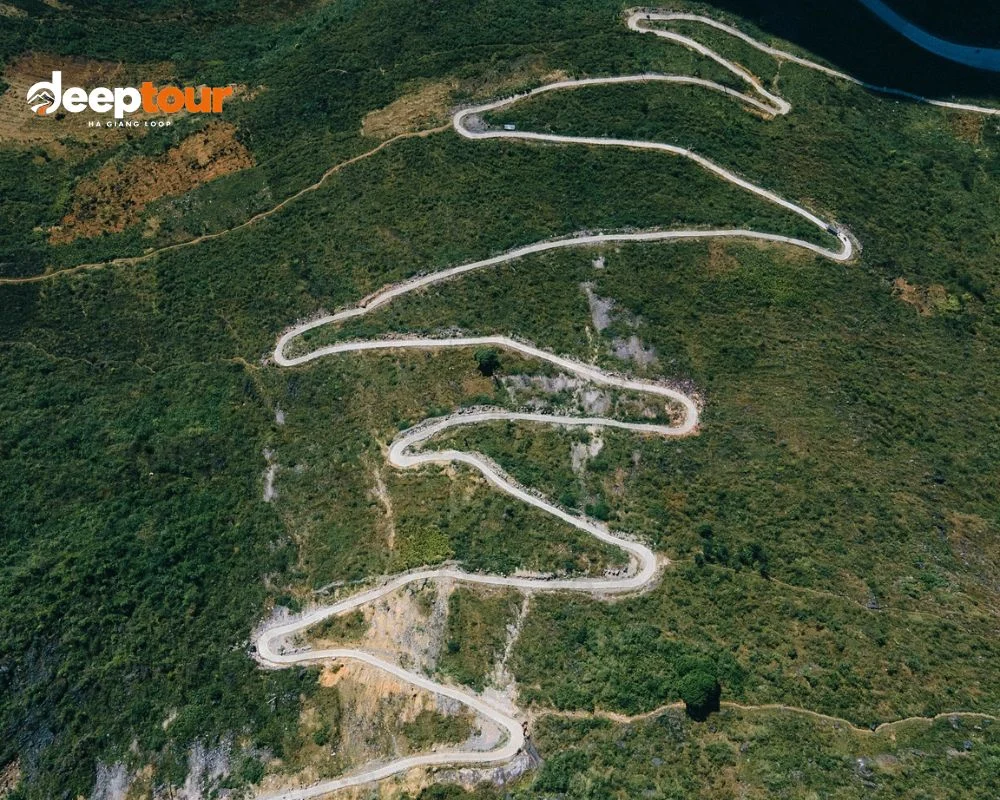
More than a scenic ride, the Ha Giang Loop is an unforgettable journey through dramatic landscapes and remote mountain villages
Top attractions to discover in Ha Giang
Ma Pi Leng Pass and the Nho Que River
Ma Pi Leng Pass is one of the most dramatic mountain passes in Vietnam and a highlight of the Loop. The road between Dong Van and Meo Vac runs high above the Nho Que River and the surrounding limestone peaks. It is part of the old Happiness Road, built through difficult terrain to connect remote communities.
From the designated viewpoints you look down on the turquoise river winding through Tu San Canyon. When conditions allow, boat trips on the river give a completely different perspective from the water.
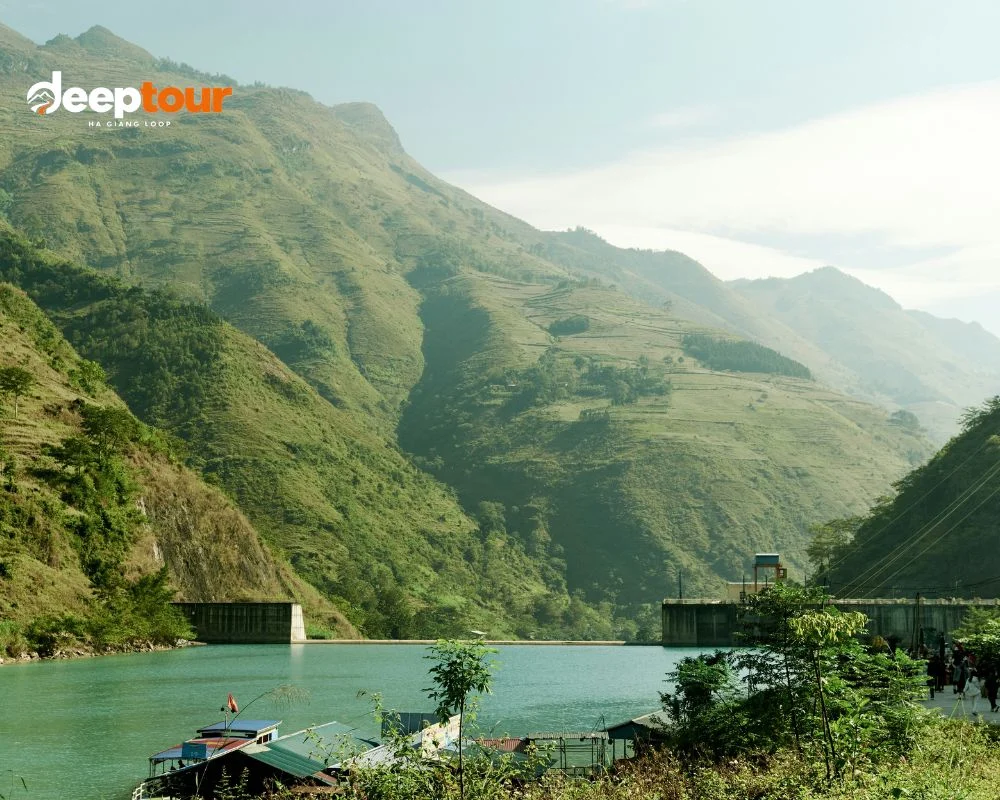
Far below the towering cliffs of Ma Pi Leng, the Nho Que River carves a stunning turquoise path through the mountains
Dong Van Karst Plateau Geopark
The Dong Van Karst Plateau has been a UNESCO Global Geopark since 2010. It’s known for ancient limestone formations and dramatic rocky landscapes that stretch across a wide area of villages, viewpoints and cultural sites.
You’ll see how people have adapted to the terrain, traditional houses among the rocks, small fields of corn and other crops squeezed into the available soil.
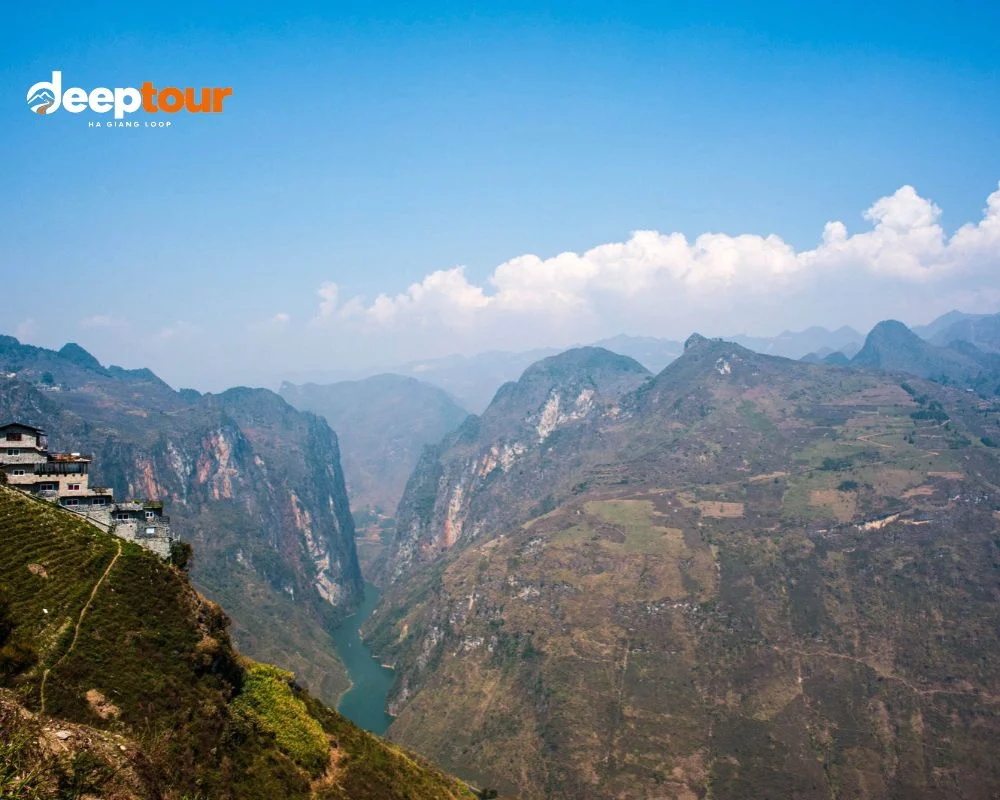
Millions of years of geological history have shaped the extraordinary rocky landscapes of this UNESCO Global Geopark
Quan Ba Heaven’s Gate and the Twin Mountains
From the top you look across the valley toward Tam Son and the two rounded green hills known as the Twin Mountains (or Fairy Bosom Mountains). They stand out against the sharper peaks around them.
The view changes with the weather, bright and open on clear days, softer under mist. It’s a good place to pause, take a few photos and enjoy the mountain air before continuing toward Yen Minh and Dong Van.
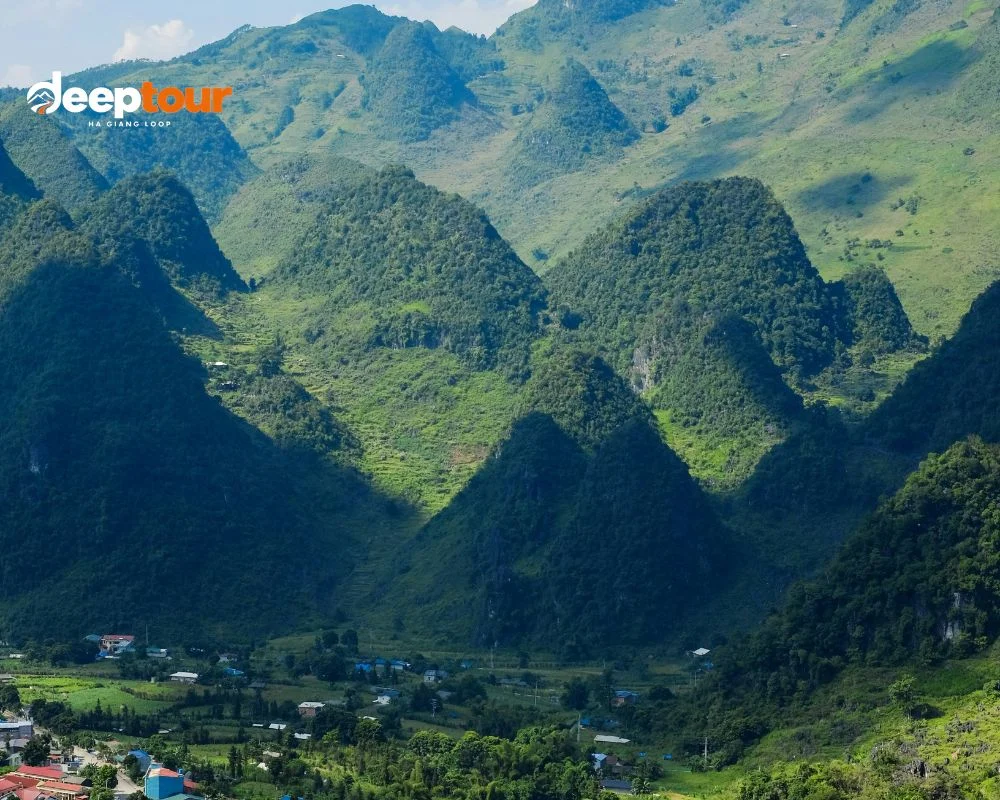
Two perfectly rounded hills emerge from the valley, creating one of Quan Ba’s most recognizable natural landmarks
Lung Cu Flag Tower
Standing on Dragon Mountain near the Chinese border, this landmark is a powerful symbol of national sovereignty, with a large Vietnamese flag flying high above. Climbing the stone steps rewards you with sweeping views of valleys, villages and fields nestled among the mountains.
Nearby Lo Lo Chai Village is worth a short visit if you have time, the traditional houses and atmosphere are distinctive. Lung Cu combines scenery with historical meaning and makes a solid stop beyond the famous passes.

Standing proudly near Vietnam’s northern border, Lung Cu Flag Tower offers sweeping views and a powerful sense of national identity
Vuong Family Mansion
Also known as the H’Mong King’s Palace, the Vuong Family Mansion sits in the Sa Phin Valley and was once the home of Vuong Chinh Duc, an influential H’Mong leader. The architecture mixes H’Mong, Chinese and French elements, stone walls, wooden structures, tiled roofs and detailed carvings.
Walking through the courtyards and rooms gives a sense of the family’s past status. Unlike the natural viewpoints, this stop focuses on human history and cultural heritage.
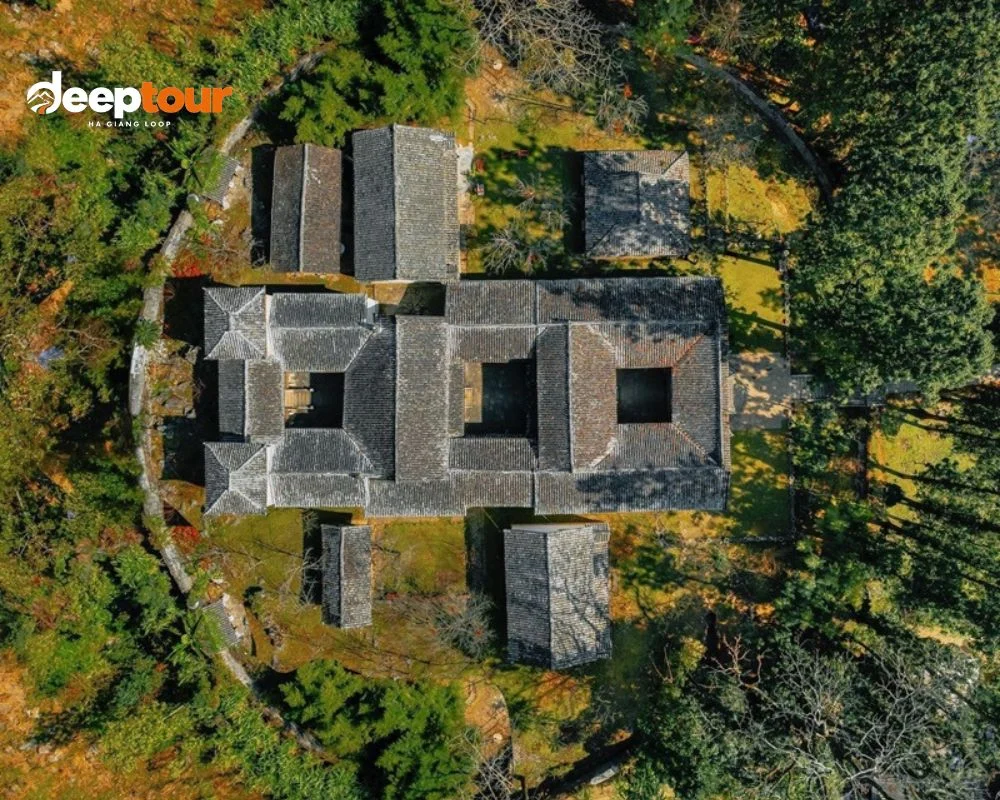
Step through the historic courtyards of the H’Mong King’s Palace and discover a remarkable chapter of Ha Giang’s cultural past
Du Gia Village and its peaceful countryside
Unlike the rocky northern plateau, this area opens into green valleys dotted with traditional villages and rice fields, offering a quieter mountain atmosphere. Many Loop itineraries stop here overnight and a local homestay is one of the best ways to experience it.
Nearby Du Gia Waterfall is a popular short visit. When water levels and conditions are safe, some people relax by the pools. After several days of mountain roads, Du Gia is a good place to slow down.
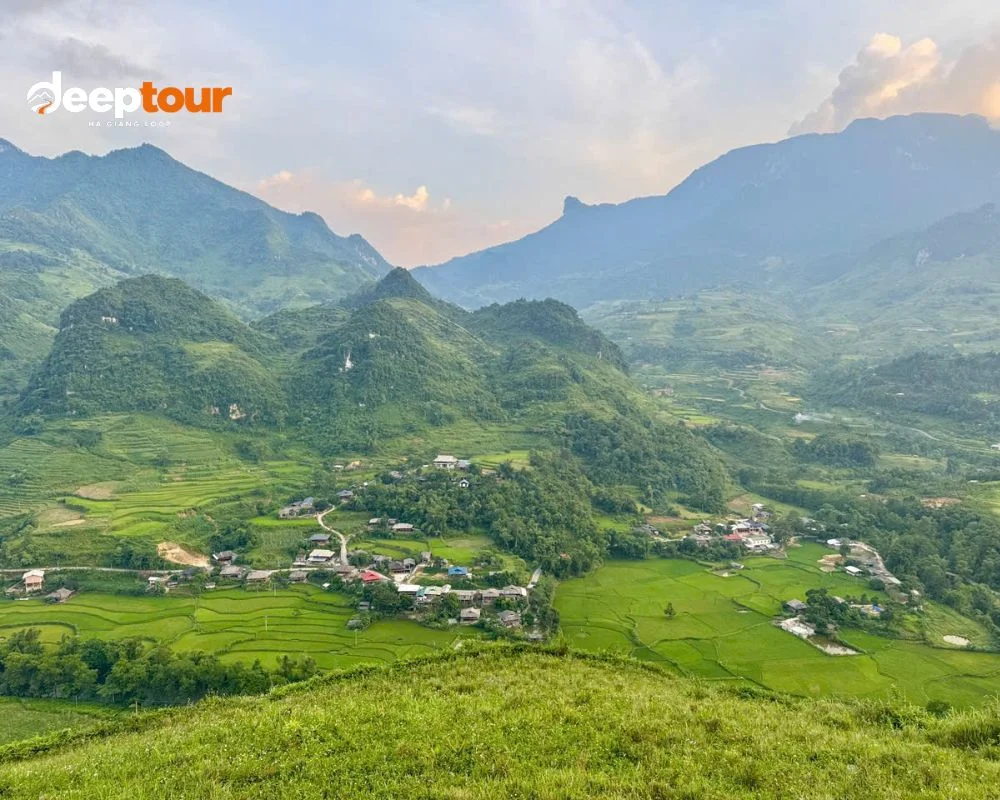
Far from the dramatic rocky passes, Du Gia invites travelers to slow down and enjoy the gentle rhythm of countryside life
How to get to Ha Giang and travel around
Traveling from Hanoi to Ha Giang
The road journey is about 300 kilometers and usually takes six to eight hours, depending on traffic, weather and the type of vehicle (Most travelers start from Hanoi).
There is no commercial airport or passenger train, so road transport is the only practical option.
- Sleeper buses are popular for overnight travel.
- VIP cabin buses offer more private berths.
- Limousine vans provide comfortable seating and often convenient pickups.
- Private cars work well for families or small groups who want flexibility.
Many people leave Hanoi in the evening, arrive early the next morning and rest before starting the mountain roads. Overnight travel can be tiring, so try to allow time to recover.
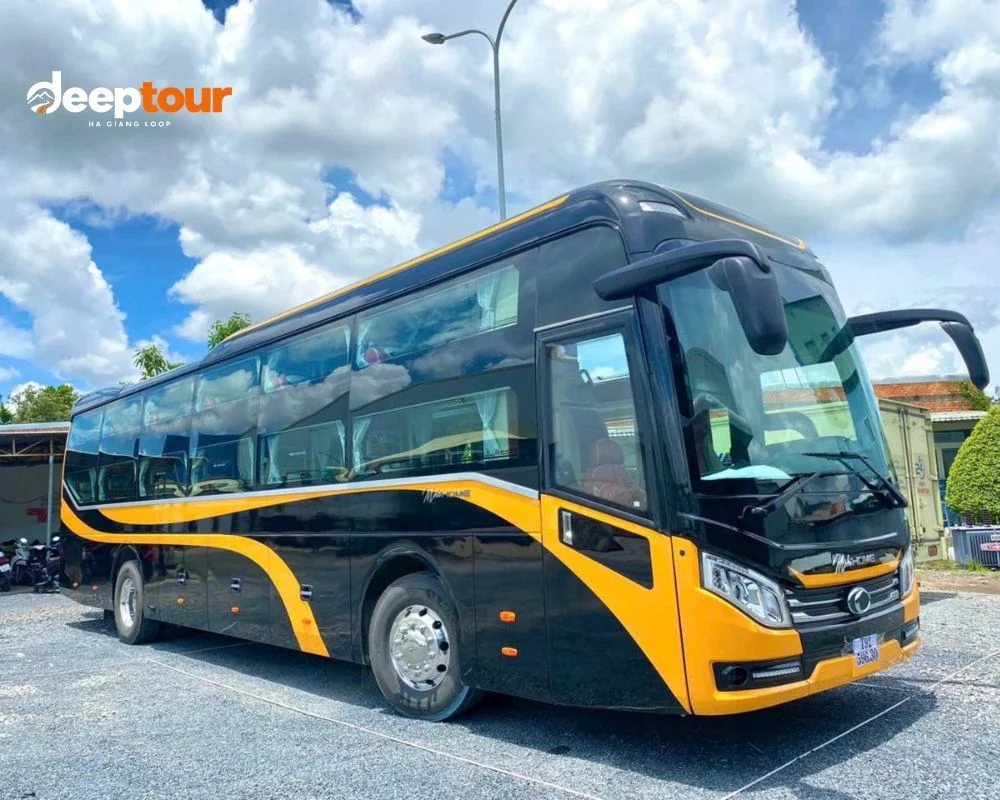
An overnight journey from Hanoi brings travelers closer to the spectacular mountain landscapes of Vietnam’s far north
Getting around Ha Giang by motorbike, Easy Rider or private car
Once you’re in Ha Giang, the best way to move depends on your experience and preference.
Motorbikes give the closest feeling of the landscape and make it easy to stop at viewpoints. The roads, however, are more demanding than city riding steep passes, tight curves, narrow sections and weather that can change fast. Independent riding is only suitable for experienced riders with the correct license and documents recognized in Vietnam.
An Easy Rider tour lets you sit behind a local driver and focus on the scenery. It’s a popular choice for first-time visitors. Private car tours offer more comfort and protection from rain or cold, though some narrower roads may be less accessible.
Whatever you choose, use proper safety gear, watch the weather and don’t take unnecessary risks on mountain roads.
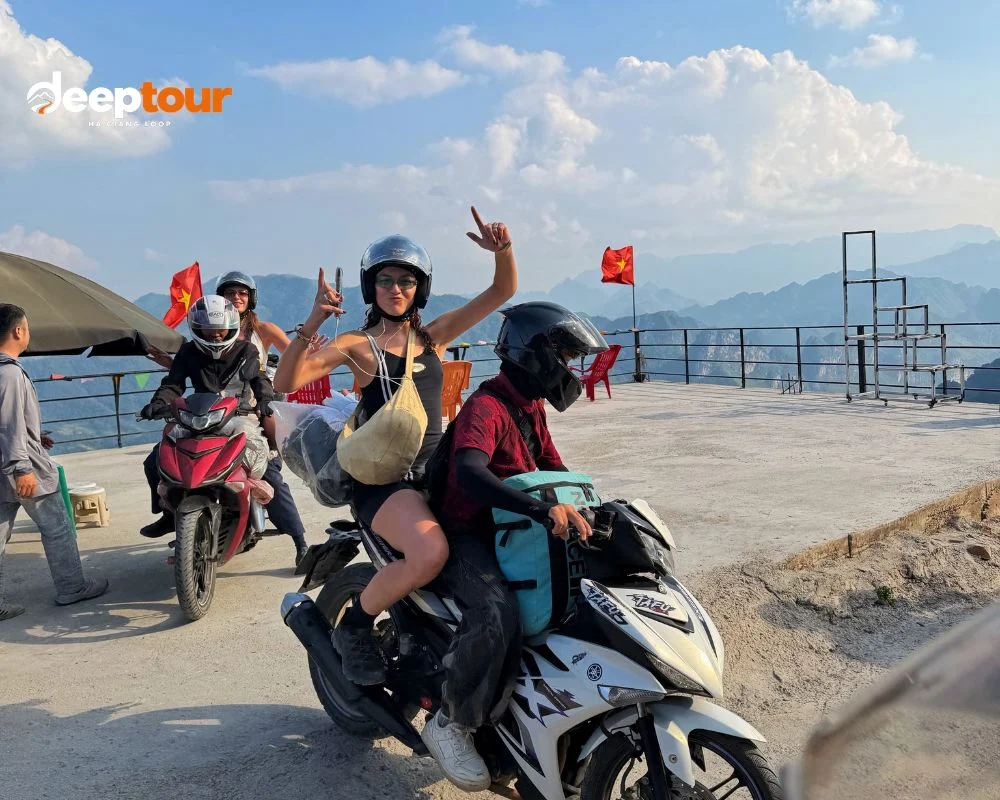
Whether you choose an Easy Rider, a motorbike or a private car, the journey offers remarkable views at every turn
Where to stay in Ha Giang
Accommodation in Ha Giang city
It has hotels, hostels, guesthouses and homestays for different budgets. Many people stay here the night before starting or after finishing the route.
Staying near the center is convenient for restaurants, shops, transport and tour meeting points. Some hostels and operators offer luggage storage so you can leave larger bags behind. If you arrive on an overnight bus, check whether early check-in or a resting place is available.
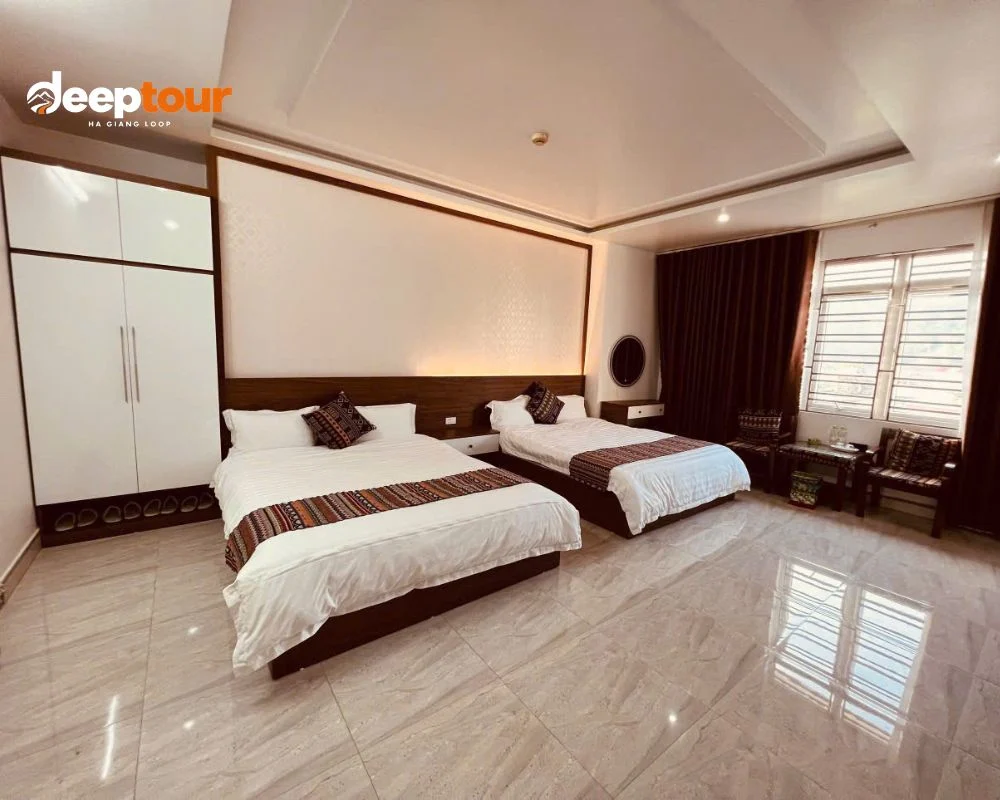
A convenient base for exploring the region, with accommodation options for travelers before and after their mountain adventures
Staying in Dong Van and Meo Vac
Dong Van and Meo Vac are the most common overnight stops on the northern part of the Loop.
Dong Van is popular for its old quarter, Sunday market and convenient location near major attractions. Accommodation ranges from simple rooms to more comfortable private options.
Meo Vac sits beyond Ma Pi Leng Pass and has a range of guesthouses and homestays. It’s especially interesting if your timing coincides with the Sunday market. On weekends, holidays and peak periods, rooms can fill up, booking ahead is wise if you want a private room or a specific place.
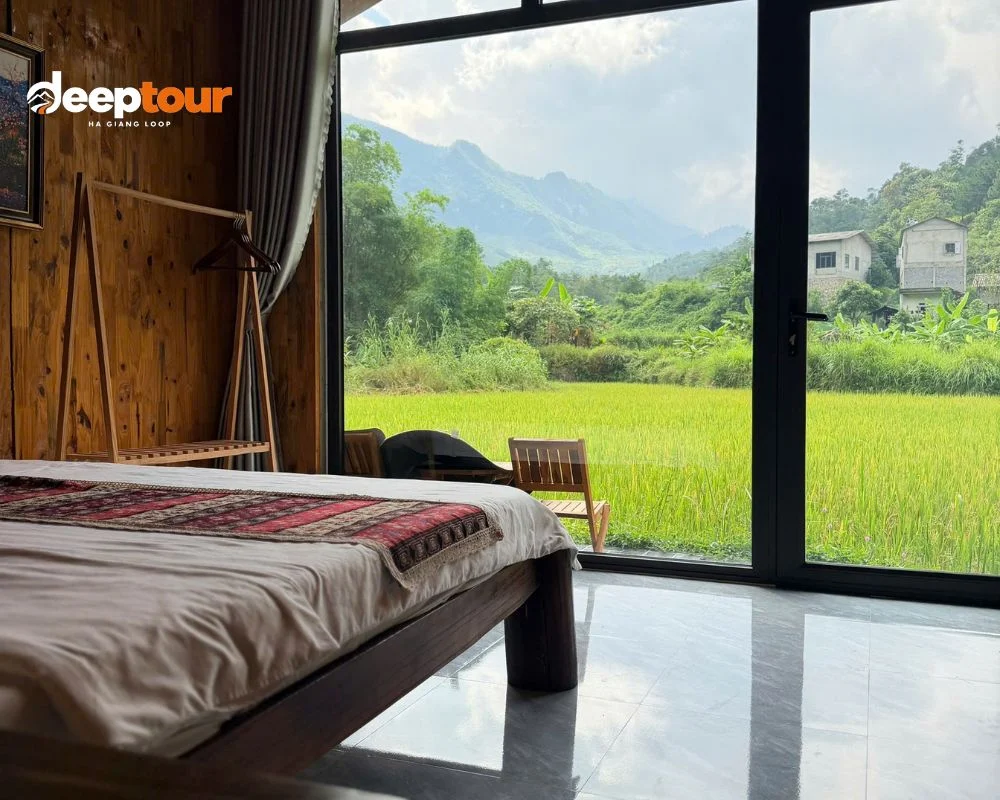
Spend the night in the northern highlands, where quiet mountain towns provide a welcome break between scenic journeys
Experiencing local homestays in mountain villages
For many, one of the most rewarding parts of a Ha Giang trip is to stay in a traditional homestay. In some Tay villages, you can find wooden stilt houses amidst the fields. Other communities offer rooms in houses built with local materials and traditional styles. Some are shared spaces with shared bathrooms, others are private rooms with more modern facilities.
Dinner is usually served family-style with several dishes shared around the table. Depending on the host, you may also have chances to walk through the village or learn a little about local crafts.
For travelers who want a closer look at local life, a night or two in a mountain village often becomes one of the most memorable parts of the journey.
FAQs about Ha Giang
Is Ha Giang suitable for first-time visitors to Vietnam?
Yes, especially if you are into nature, adventure and cultural experiences. Expect long stretches of road, changing weather and mountains. Some outlying villages have little English and fewer amenities.
When is the best time to visit Ha Giang?
Many travellers prefer to visit between March to April and September to November. There is no single best month. Choose your trip based on the scenery and weather you enjoy but always check the latest forecast and road conditions before you leave.
What are the must-try local dishes in Ha Giang?
Must-tries include Thắng Cố (a traditional H’Mong stew often found at markets), Mèn Mén (steamed cornmeal that has long been a staple in the rocky highlands), and Cháo ấu tẩu (a slightly bitter porridge best eaten only at reputable places). Other dishes worth trying are bánh cuốn with warm broth, buckwheat cakes and five-color sticky rice.
We hope this introduction has given you a good idea of where Ha Giang is, what it’s famous for, how to get there and what to expect. At DeepTour we believe the best experiences here come from more than reaching the famous viewpoints, they come from noticing local traditions, meeting people along the way and leaving space for the smaller moments. Take your time, travel responsibly and enjoy what makes this corner of northern Vietnam special.